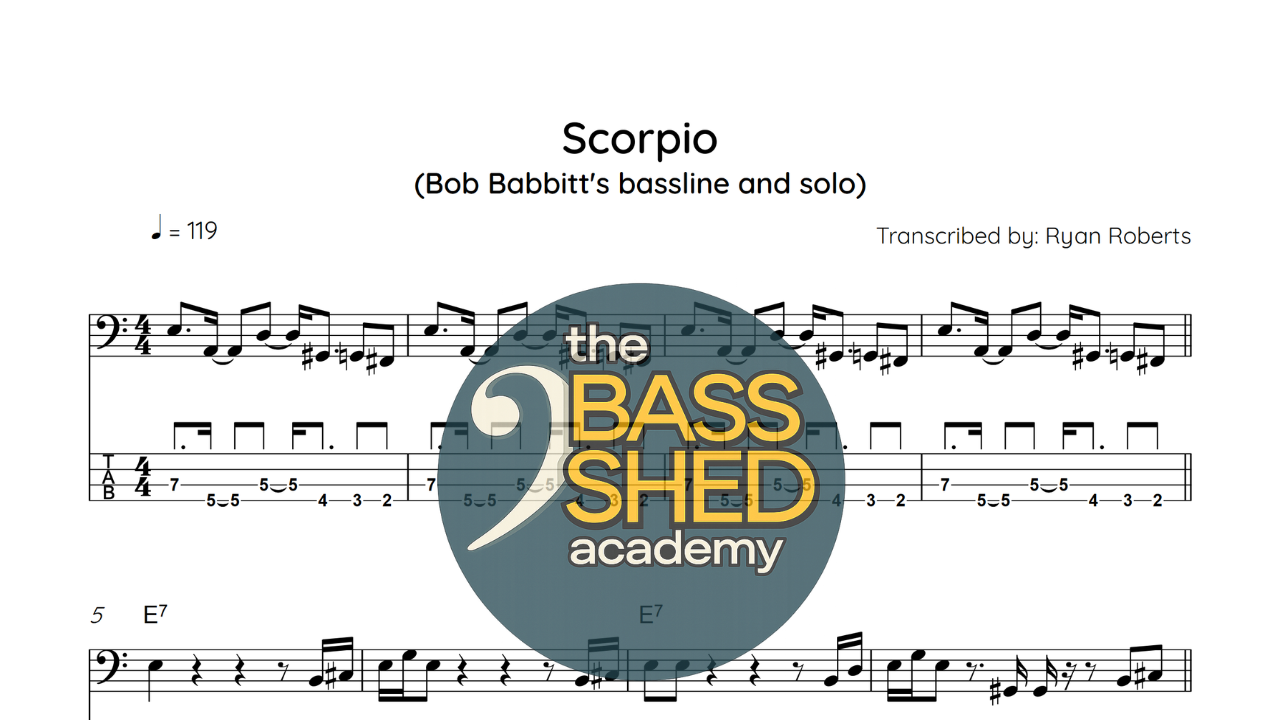
One of Babbitt’s notable contributions is to the song "Scorpio" by Dennis Coffey, which was released in 1971. "Scorpio" is an instrumental track that became a significant hit, reaching the top 10 on the Billboard Hot 100 chart. Bob Babbitt's bass playing on "Scorpio" is highly regarded, showcasing his skill and contributing to the track's energetic and funky vibe.
Bob Babbitt’s only recorded bass solo!

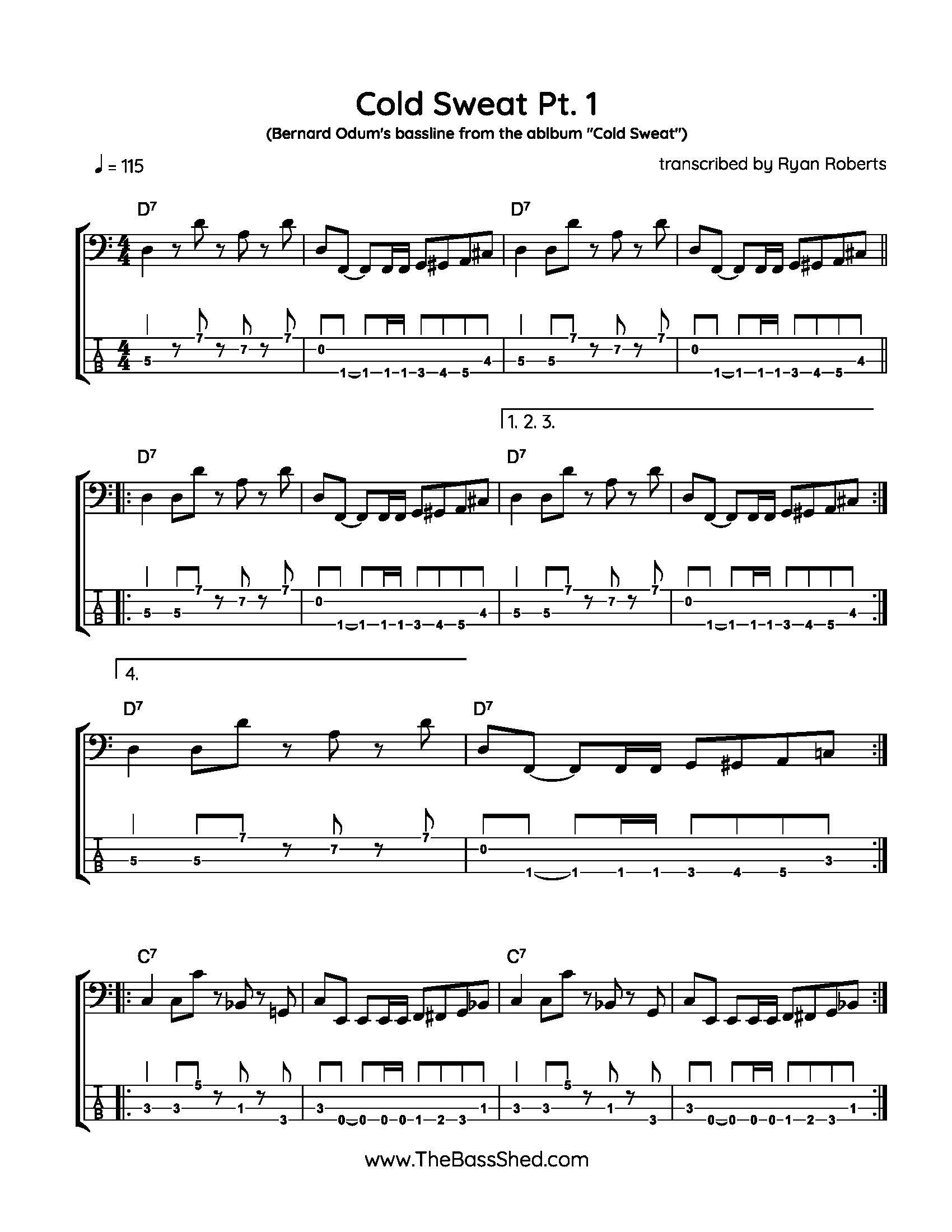
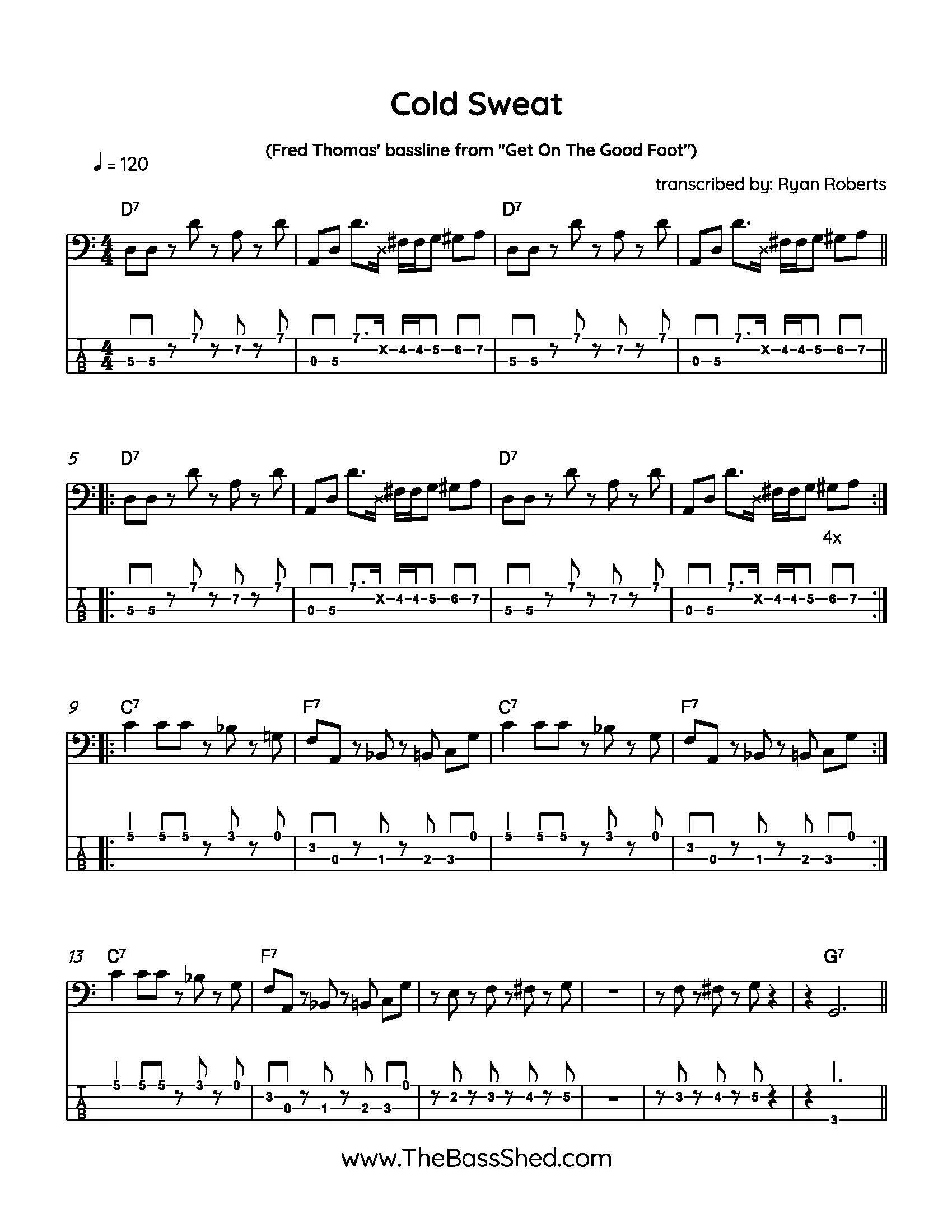
"Cold Sweat" is a classic funk song written by James Brown and Alfred "Pee Wee" Ellis and recorded by James Brown in 1967. It's one of Brown's signature songs and is known for its innovative rhythmic structure and intense, energetic performance. Bernard Odum, on the other hand, was the bassist for James Brown's band, The J.B.'s, during the late 1960s and early 1970s. His bassline on "Cold Sweat" is iconic, contributing significantly to the song's groove and impact. Together, James Brown, Pee Wee Ellis, Bernard Odum, and the rest of The J.B.'s created a masterpiece that continues to influence and inspire musicians across genres.
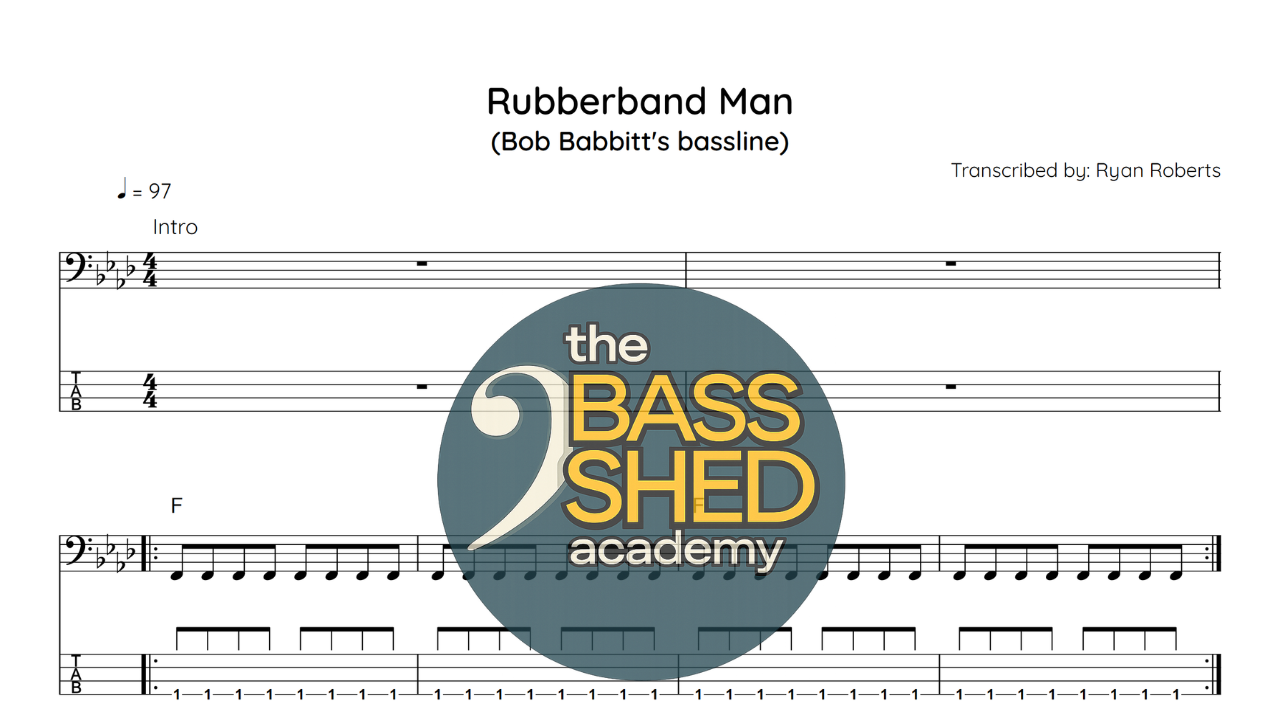
Bob Babbitt played bass on "Rubberband Man" by The Spinners, a hit single released in 1976. The song was a massive success, reaching the top of the Billboard R&B chart and peaking at number two on the Billboard Hot 100 chart. Known for its infectious groove and catchy melody, "Rubberband Man" is considered one of The Spinners' signature songs. Babbitt's bassline on the track is a key element of its funky and danceable sound, contributing to its enduring popularity.
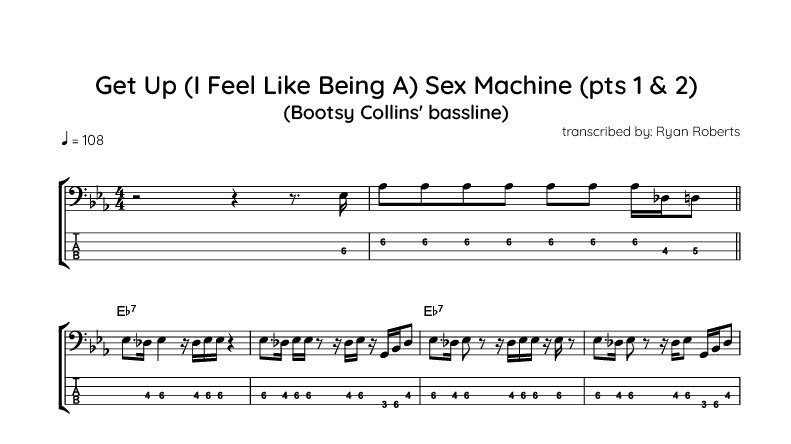

Bootsy Collins' bassline in James Brown's "Get Up (I Feel Like Being a) Sex Machine" is another absolute classic! It's a funky, energetic bassline that drives the entire song forward with its infectious groove. Bootsy's playing style perfectly complements James Brown's dynamic vocals and the tight rhythm section of the band. The bassline is iconic, instantly recognizable, and it's one of those tracks that just makes you want to get up and dance. Bootsy's contribution to the funk and soul music landscape is truly remarkable, and his basslines continue to inspire musicians and listeners alike.
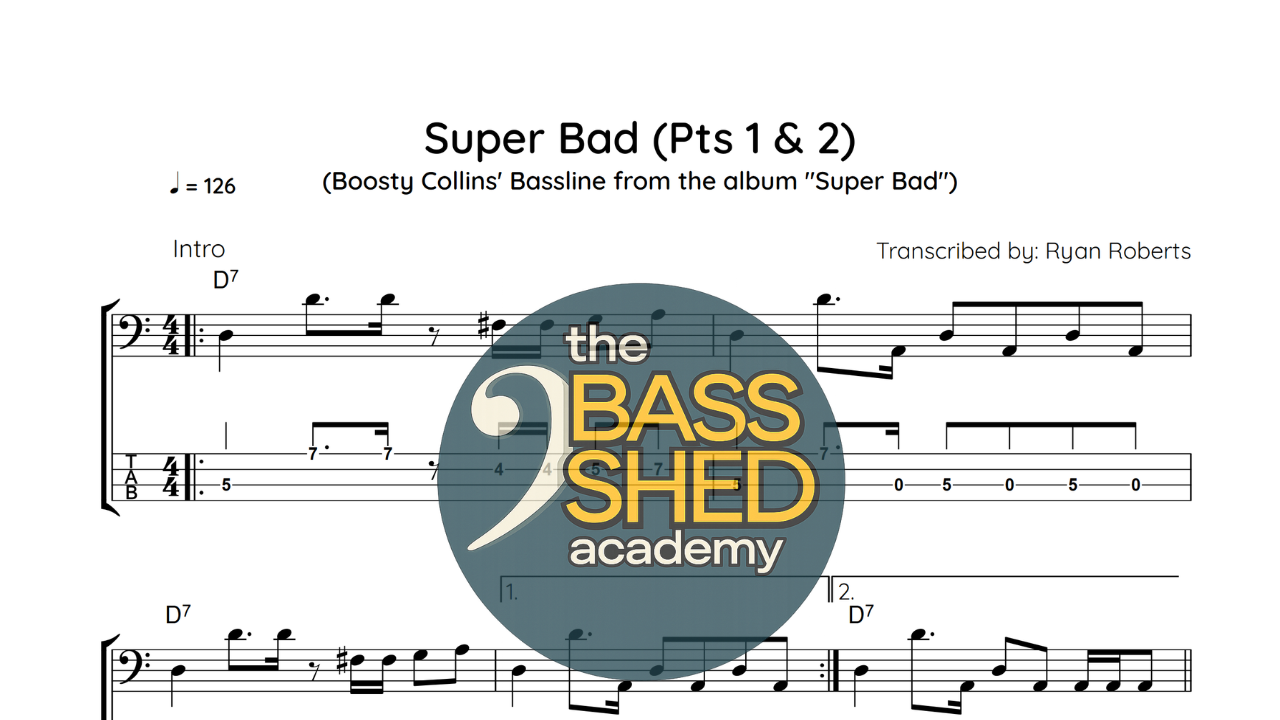
Bootsy Collins' bassline in "Super Bad" is legendary! It's funky, groovy, and just oozes with that signature Bootsy style. The way he lays down those deep, infectious bass riffs adds so much depth and character to the song. It's a prime example of his mastery of the instrument and his ability to drive a groove. Listening to that bassline, you can't help but move your body and feel the funk coursing through you!

Chuck Rainey's bassline in "Are You Ready" is legendary! It's one of those basslines that just hooks you in from the first note. Rainey's groove and impeccable timing really shine through in that track, adding a layer of depth and funkiness that elevates the entire song. It's a testament to his incredible talent and influence in the world of bass guitar.

Donald "Duck" Dunn's bassline in Otis Redding's "Sittin' on the Dock of the Bay" is legendary for its simplicity yet profound impact on the song's mood and feel. Dunn's bassline starts with a gentle, melodic descent that perfectly complements the song's reflective lyrics and laid-back groove. Throughout the song, Dunn maintains a steady rhythm while adding subtle variations and fills that enhance the emotional depth of the music. His playing embodies the soulful essence of the song, providing a solid foundation for Otis Redding's vocals and Steve Cropper's guitar work. Dunn's bassline in "Sittin' on the Dock of the Bay" remains one of the most iconic and memorable in soul music history, a testament to his talent and musicality as a bassist.
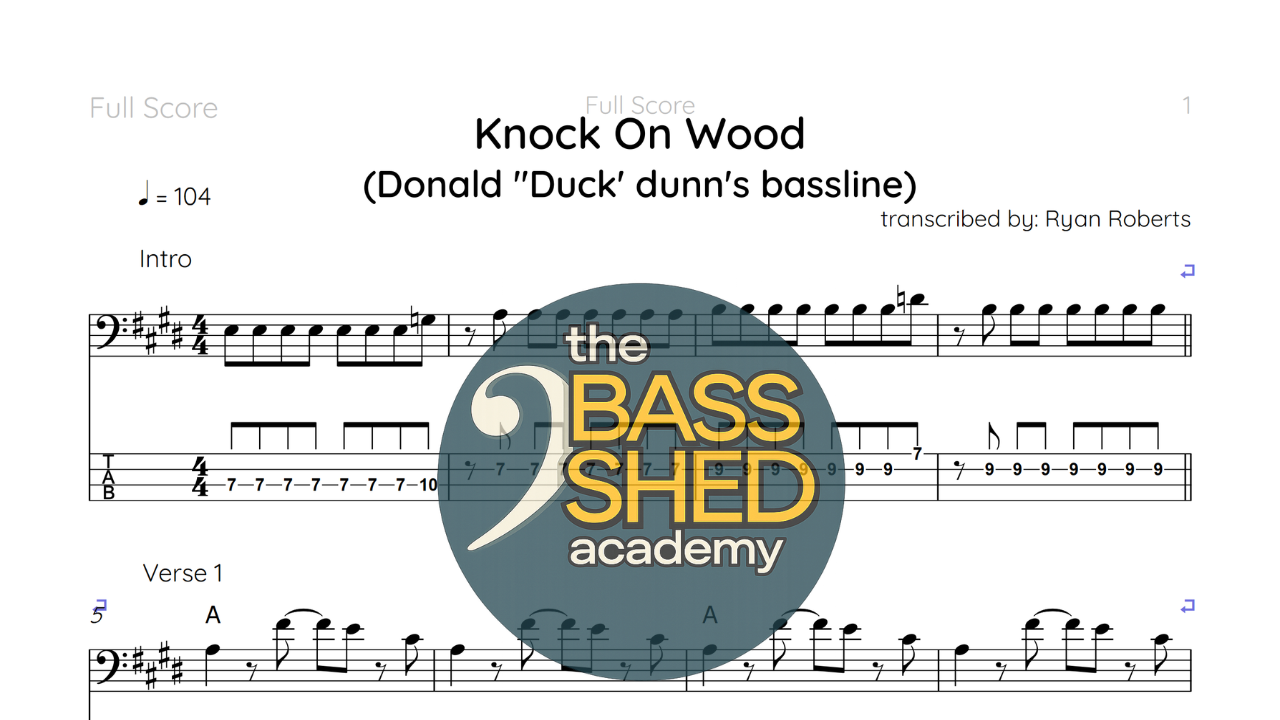
Donald "Duck" Dunn's bassline in "Knock on Wood" is a classic example of his groovy and soulful style. The bassline features a steady and driving rhythm that perfectly complements the upbeat energy of the song. Dunn's playing is characterized by tight and precise articulation, punctuated by funky fills and accents that add depth and texture to the music. Overall, his bassline in "Knock on Wood" is a masterclass in rhythm and groove, showcasing his unparalleled talent as one of the greatest bassists in the history of soul and R&B music.

Fred Thomas's bassline in James Brown's "The Boss" is another example of his masterful bass playing within the context of Brown's funk music. Released in 1973, "The Boss" is characterized by its infectious groove and energetic instrumentation, with Thomas's bassline playing a crucial role in driving the song forward. Thomas's bassline in "The Boss" features a catchy, repetitive riff that anchors the rhythm section and provides a solid foundation for Brown's dynamic vocals and the tight interplay between the other instruments in the band. Overall, Thomas's bassline in "The Boss" contributes to the song's funky and danceable feel, making it a classic example of James Brown's influential funk sound.
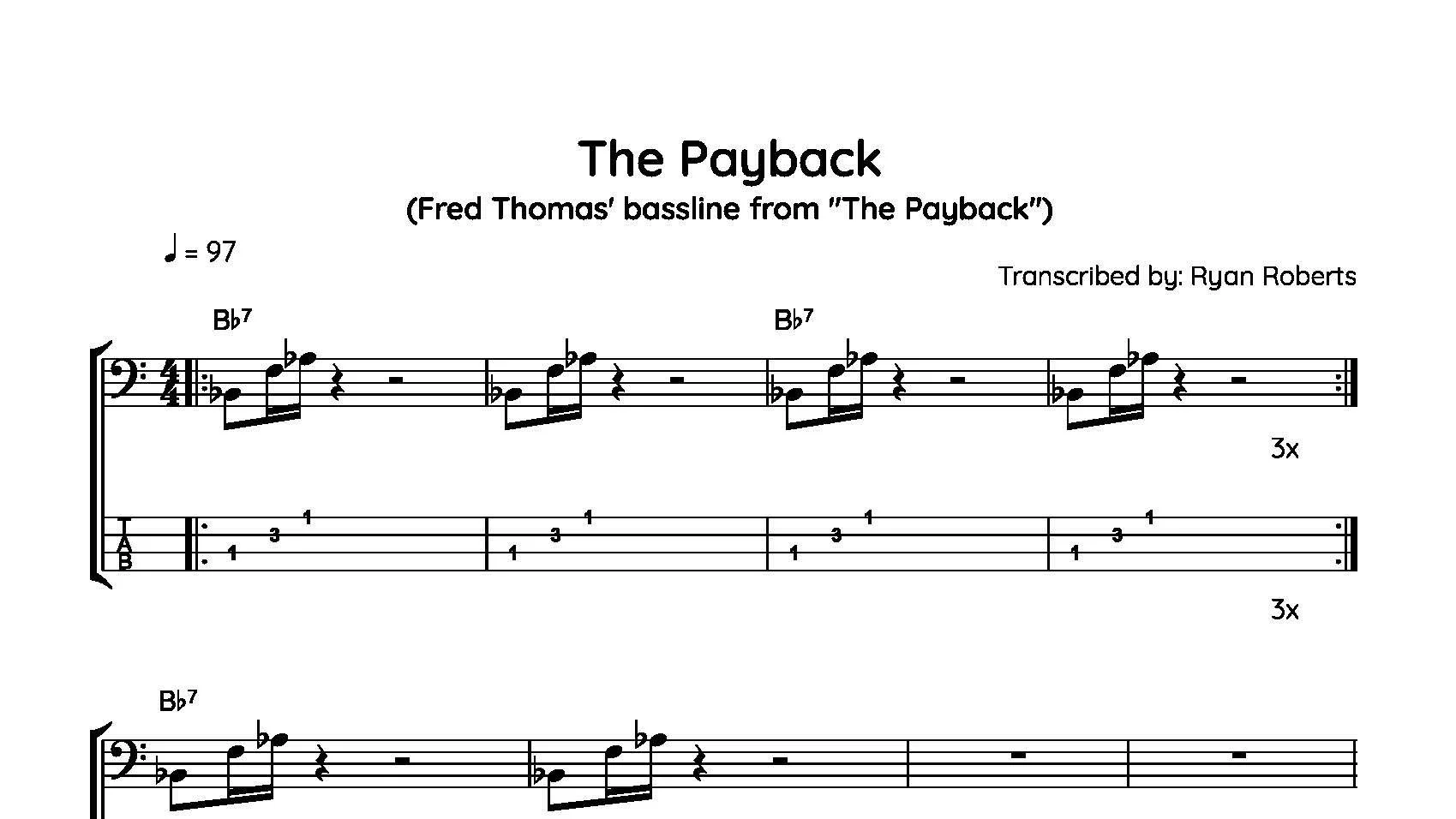
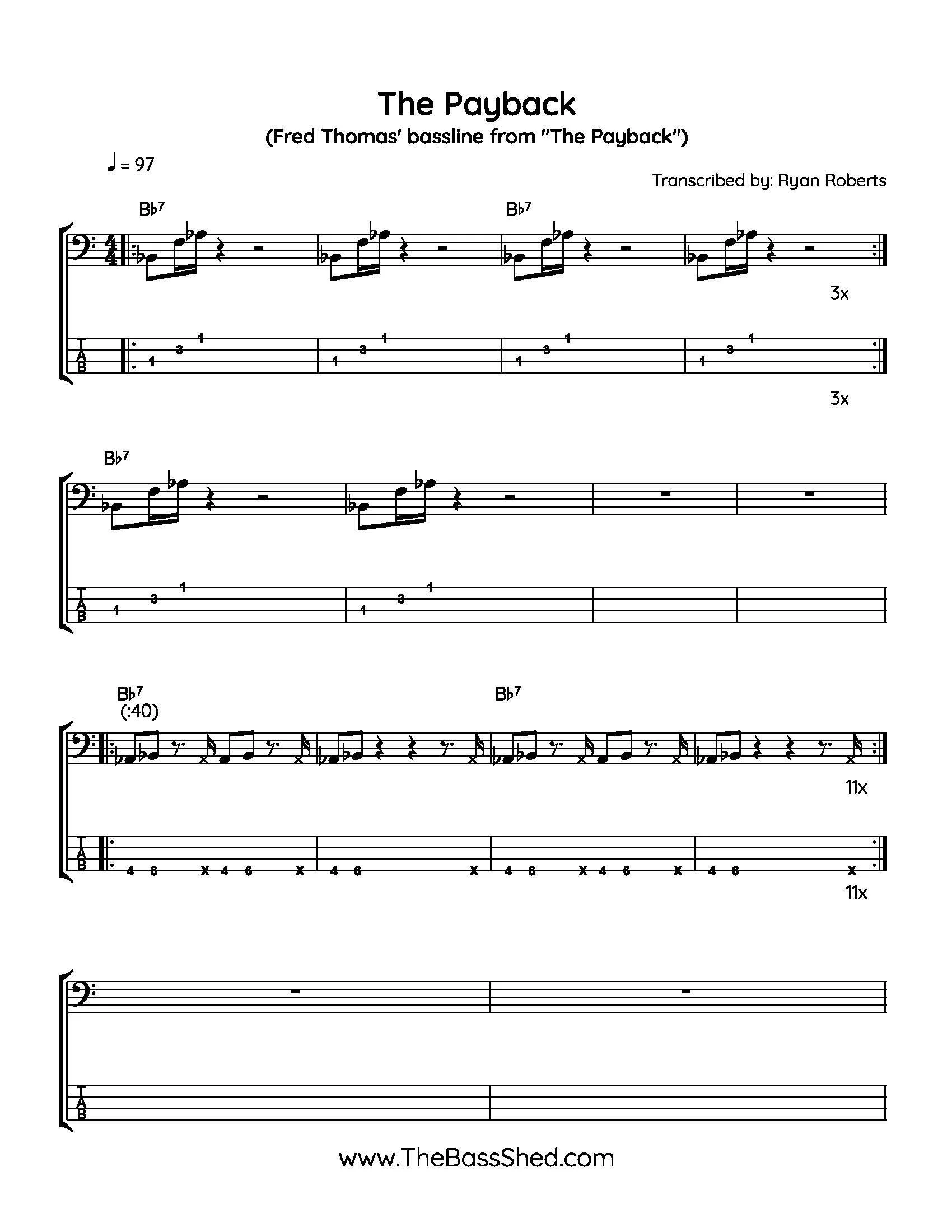
Fred Thomas's bassline in James Brown's "The Payback" is iconic and integral to the song's groove. Thomas, along with other members of James Brown's band such as Clyde Stubblefield on drums, helped create the distinctive sound that defined Brown's music. "The Payback," released in 1973, features a funky bassline that drives the rhythm of the song and adds to its overall funky and soulful vibe. Thomas's bassline is characterized by its syncopated rhythm and deep, punchy tone, which perfectly complement Brown's dynamic vocals and the song's tight instrumentation.
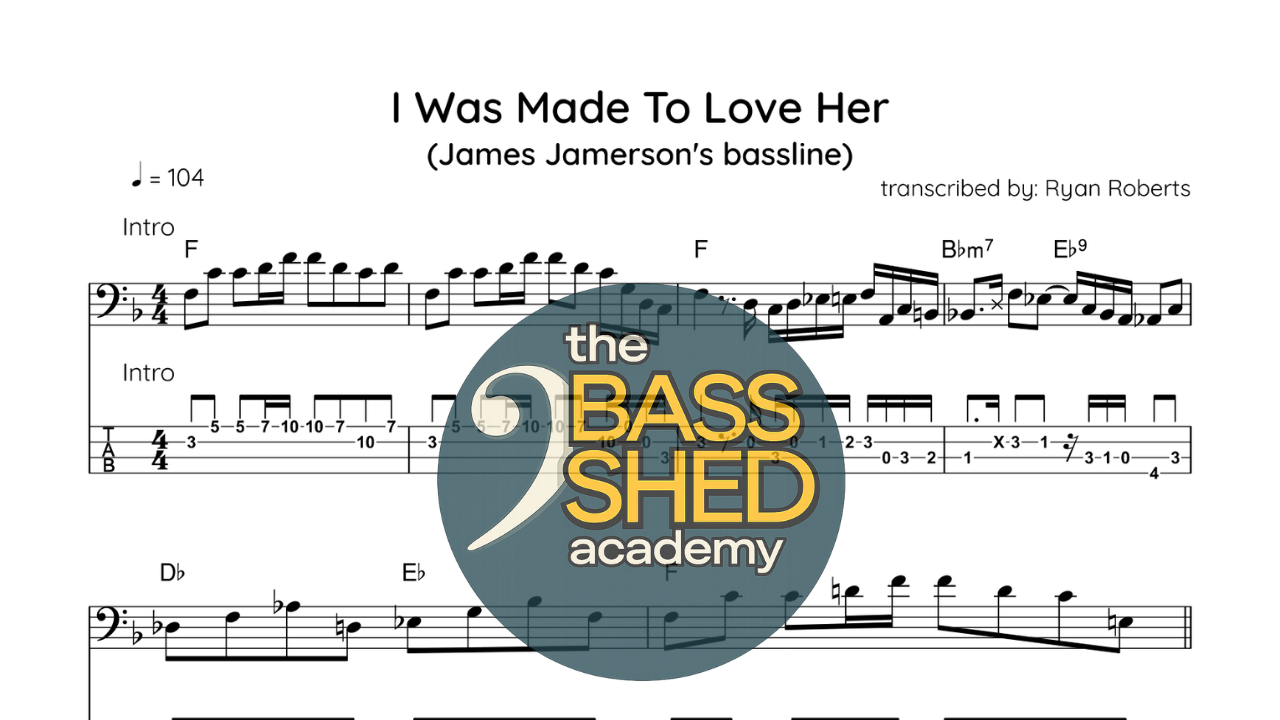
"I Was Made to Love Her" by Stevie Wonder features another classic bassline by James Jamerson.
**Driving Rhythm**: Jamerson's bassline in "I Was Made to Love Her" is characterized by its driving rhythm and syncopated groove. It serves as the backbone of the song, propelling it forward with energy and momentum.
**Melodic Elements**: As with many of Jamerson's basslines, there are melodic elements woven throughout. He doesn't just stick to playing root notes; instead, he incorporates melodic fills and embellishments that add depth and interest to the bassline.
**Variation and Dynamics**: Throughout the song, Jamerson varies his playing to match the dynamics and mood of each section. He might play with more intensity during the chorus or add subtle variations to keep the bassline engaging and dynamic.
**Interaction with Other Instruments**: Jamerson's bassline interacts seamlessly with the other instruments in the arrangement, creating a tight and cohesive sound. Whether he's locking in with the drums or complementing Stevie Wonder's vocals and piano, his bassline adds richness and texture to the overall mix.
**Groove and Feel**: Above all, Jamerson's bassline in "I Was Made to Love Her" exudes groove and feel. His impeccable sense of timing and rhythm, combined with his innate musicality, make the bassline irresistibly funky and infectious.
Jamerson's bassline in "I Was Made to Love Her" is a prime example of his unparalleled talent and contribution to the Motown sound. It's a timeless groove that continues to inspire bassists and music lovers to this day.
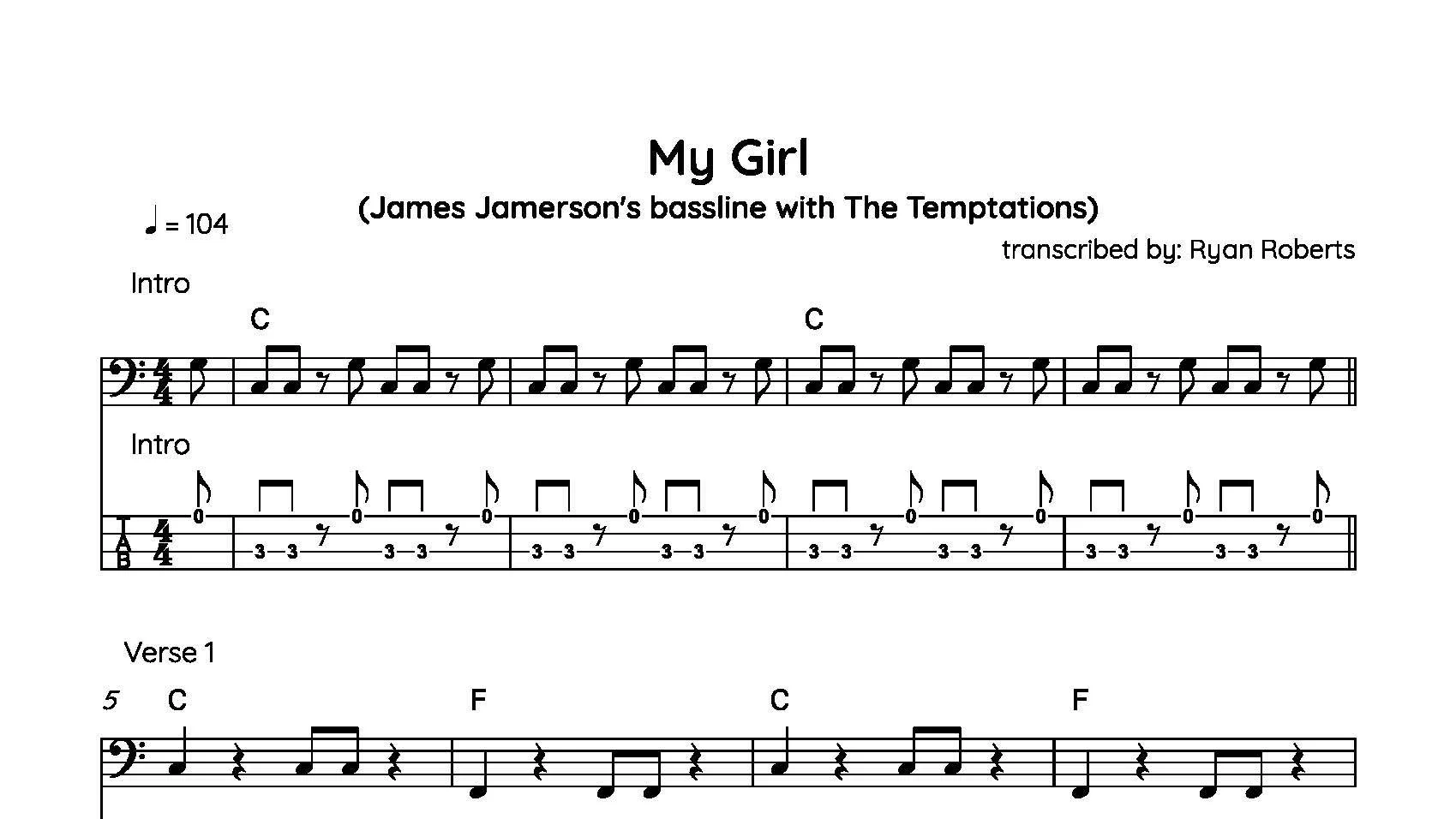

James Jamerson's bassline on "My Girl" by The Temptations is another legendary example of his masterful playing and his contribution to the Motown sound.
**Simple Yet Effective**: While Jamerson was known for his intricate basslines, "My Girl" features a relatively straightforward but incredibly effective bassline. It serves as a solid foundation for the song's groove and melody.
**Root Note Emphasis**: In this bassline, Jamerson predominantly sticks to playing the root notes of the chords, providing a strong harmonic foundation for the song.
**Walking Bass Feel**: Although the bassline is rooted in the chord tones, Jamerson incorporates a subtle walking bass feel in certain sections of the song. This adds movement and interest to the bassline while still maintaining its simplicity.
**Syncopation and Groove**: Like many of Jamerson's basslines, "My Girl" features syncopated rhythms and a deep groove that drives the song forward. Jamerson's impeccable sense of timing and feel is evident throughout the track.
**Supporting the Song**: Jamerson's bassline in "My Girl" is a perfect example of how a bassist can support and enhance a song without overshadowing the other instruments. His playing is tasteful and understated, yet essential to the overall sound of the track.
Jamerson's bassline in "My Girl" is a testament to his creativity, musicality, and contribution to the Motown sound. It remains one of the most recognizable and beloved basslines in popular music history.
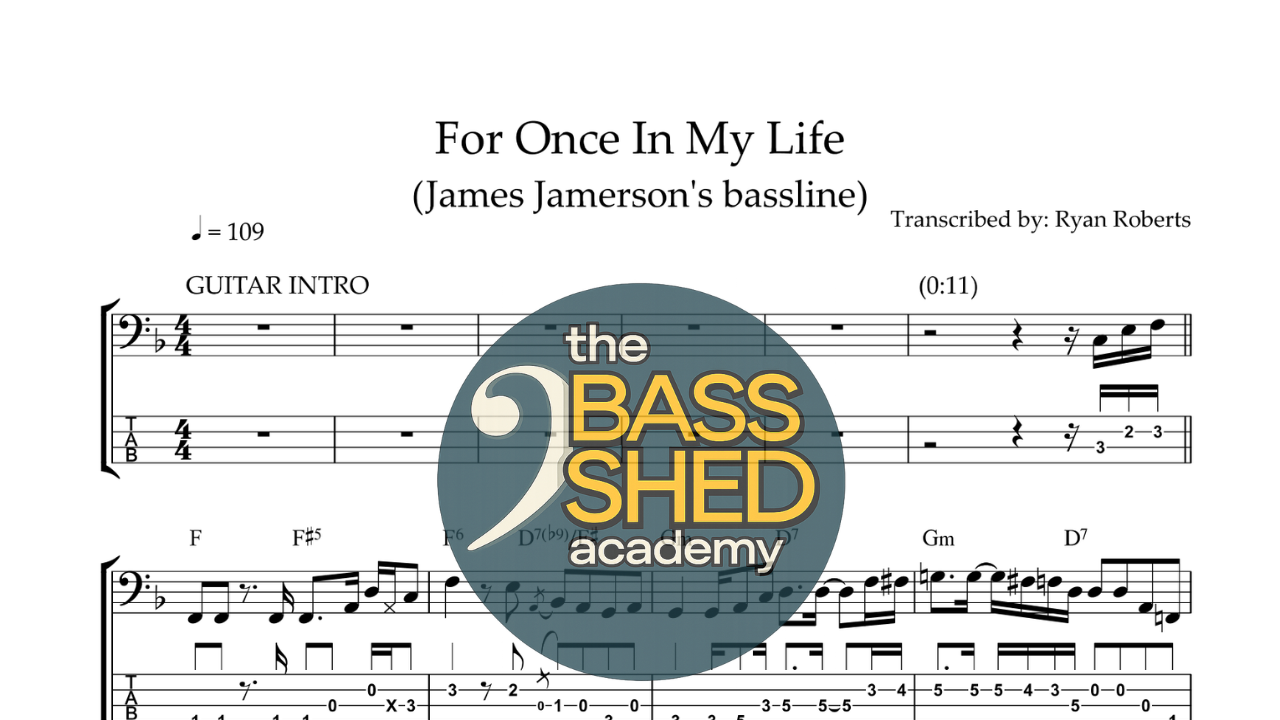
"For Once in My Life" by Stevie Wonder features another brilliant bassline by James Jamerson. Here's an overview of the bassline in this timeless classic:
**Solid Foundation**: Jamerson lays down a solid foundation for the song with his bassline. It provides a steady rhythmic pulse that anchors the entire arrangement.
**Melodic Flourishes**: As with many of Jamerson's basslines, there are melodic flourishes and fills interspersed throughout "For Once in My Life." These embellishments add depth and interest to the bassline, elevating it beyond a simple rhythmic accompaniment.
**Syncopated Groove**: Jamerson's bassline features a syncopated groove, with accents on off-beats and unexpected rhythmic patterns. This adds a sense of groove and swing to the song, making it irresistibly danceable.
**Dynamic Variation**: Throughout the song, Jamerson varies his playing dynamics to match the intensity of each section. He might play with more aggression during the chorus or dial it back for a softer, more subdued verse. This dynamic variation helps to shape the overall feel of the song and adds to its emotional impact.
**Interplay with Other Instruments**: Jamerson's bassline interacts seamlessly with the other instruments in the arrangement, creating a cohesive and unified sound. Whether he's locking in with the drums, complementing the horns, or supporting Stevie Wonder's vocals, his bassline adds depth and texture to the song.
Jamerson's bassline in "For Once in My Life" is yet another example of his unparalleled talent and contribution to the Motown sound. It's a timeless groove that continues to inspire musicians and listeners alike.
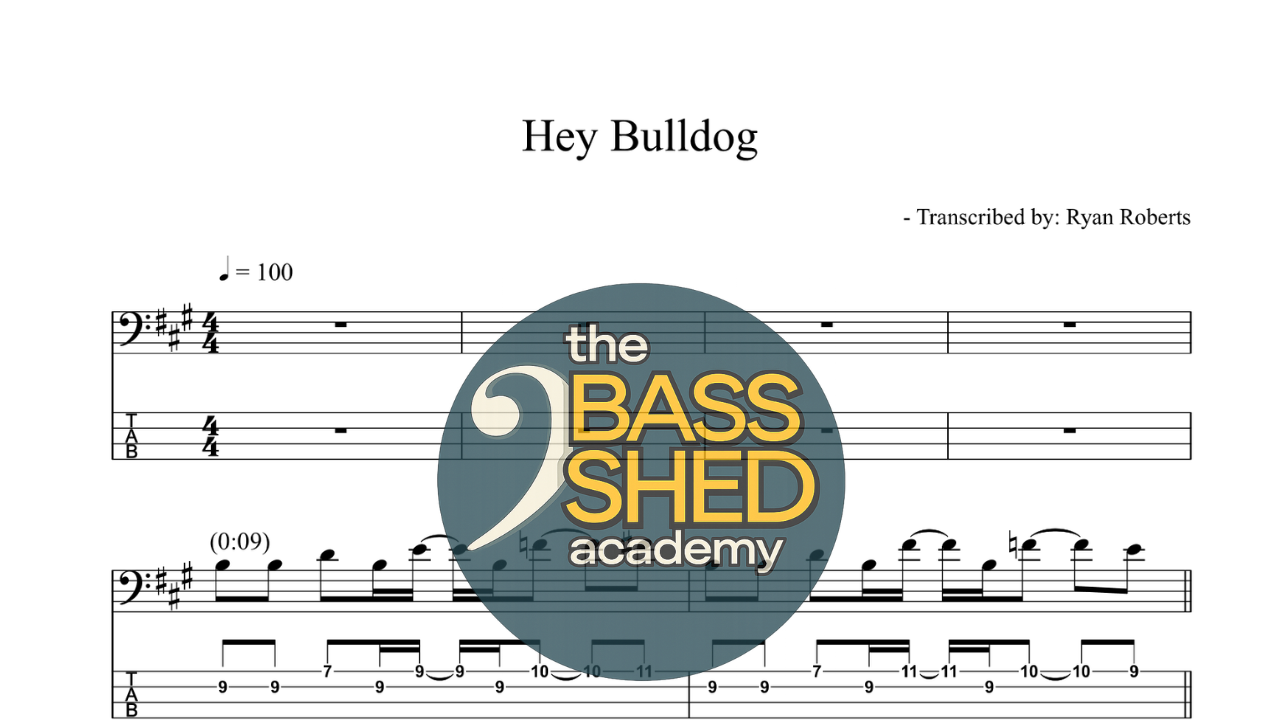
In "Hey Bulldog" by The Beatles, Paul McCartney delivers a bassline that's both funky and driving, giving the song a distinct edge. His bassline adds a gritty, bluesy feel to the track, anchoring it with a solid groove.
McCartney's bassline in "Hey Bulldog" is characterized by its syncopated rhythm and bold melodic lines, which contribute to the song's overall intensity and energy. It's a prime example of McCartney's ability to craft inventive and memorable bass parts that not only support the song but also elevate it to another level.
Throughout the song, McCartney's bassline interplays with the guitar and drums, creating a dynamic and tight rhythm section that propels the song forward. It's a testament to McCartney's skill as a bassist and his contribution to The Beatles' innovative sound.
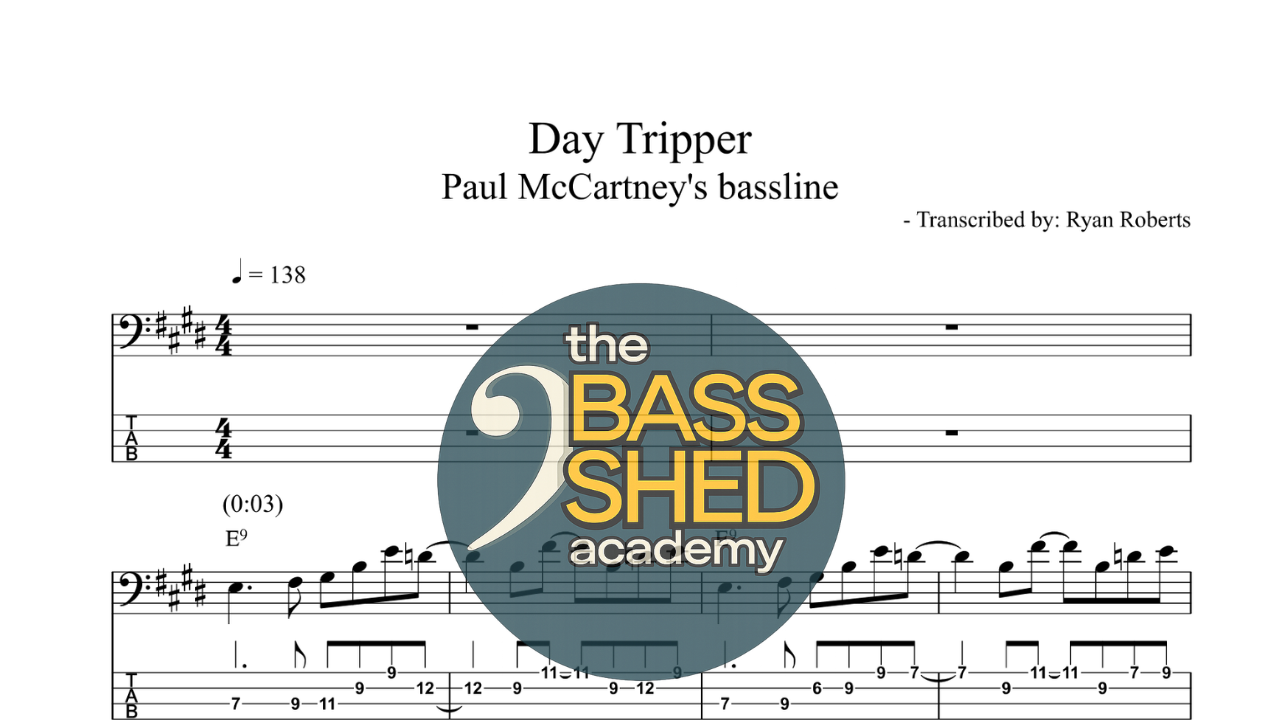
Paul McCartney's bassline in "Day Tripper" is iconic, driving, and infectious, contributing significantly to the song's groove and catchiness. McCartney's bassline in "Day Tripper" is instantly recognizable for its punchy, blues-inspired riff that propels the song forward with its energetic rhythm.
The bassline is characterized by its syncopated rhythm and melodic flair, which perfectly complement the song's catchy guitar riff and dynamic vocals. McCartney's playing adds depth and texture to the track, providing a solid foundation while also adding a sense of urgency and excitement.
Overall, McCartney's bassline in "Day Tripper" is a prime example of his innovative and influential bass playing, showcasing his ability to craft memorable and distinctive bass parts that contribute to the timeless appeal of The Beatles' music.
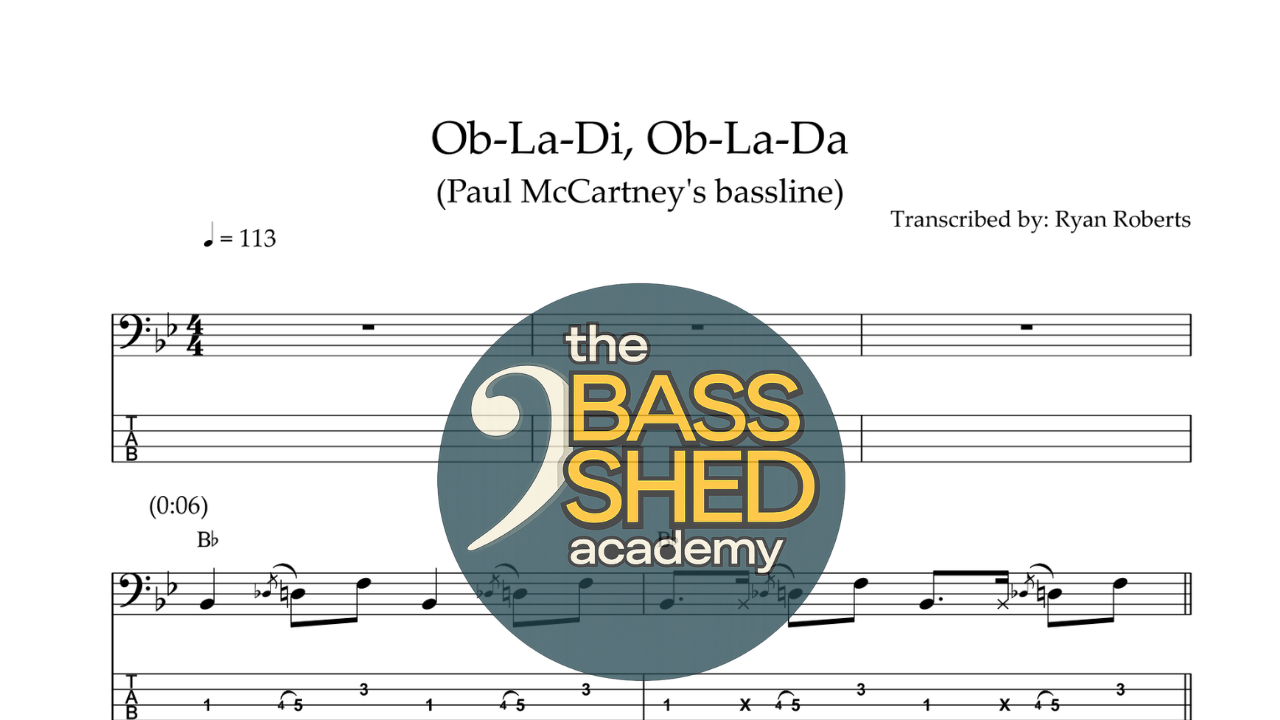
In "Ob-La-Di, Ob-La-Da" by The Beatles, Paul McCartney's bassline is instantly recognizable and plays a key role in driving the song's infectious groove. McCartney's bassline in this song is characterized by its bouncy rhythm and melodic flourishes, which perfectly complement the upbeat vibe of the track.
The bassline provides a solid foundation for the song while also adding depth and texture to the overall sound. McCartney's playing in "Ob-La-Di, Ob-La-Da" demonstrates his versatility as a bassist, as he seamlessly switches between supporting the song's rhythm and adding melodic embellishments.
Overall, McCartney's bassline in "Ob-La-Di, Ob-La-Da" is a testament to his musical prowess and his ability to create memorable and distinctive bass parts that contribute to the enduring appeal of The Beatles' music.
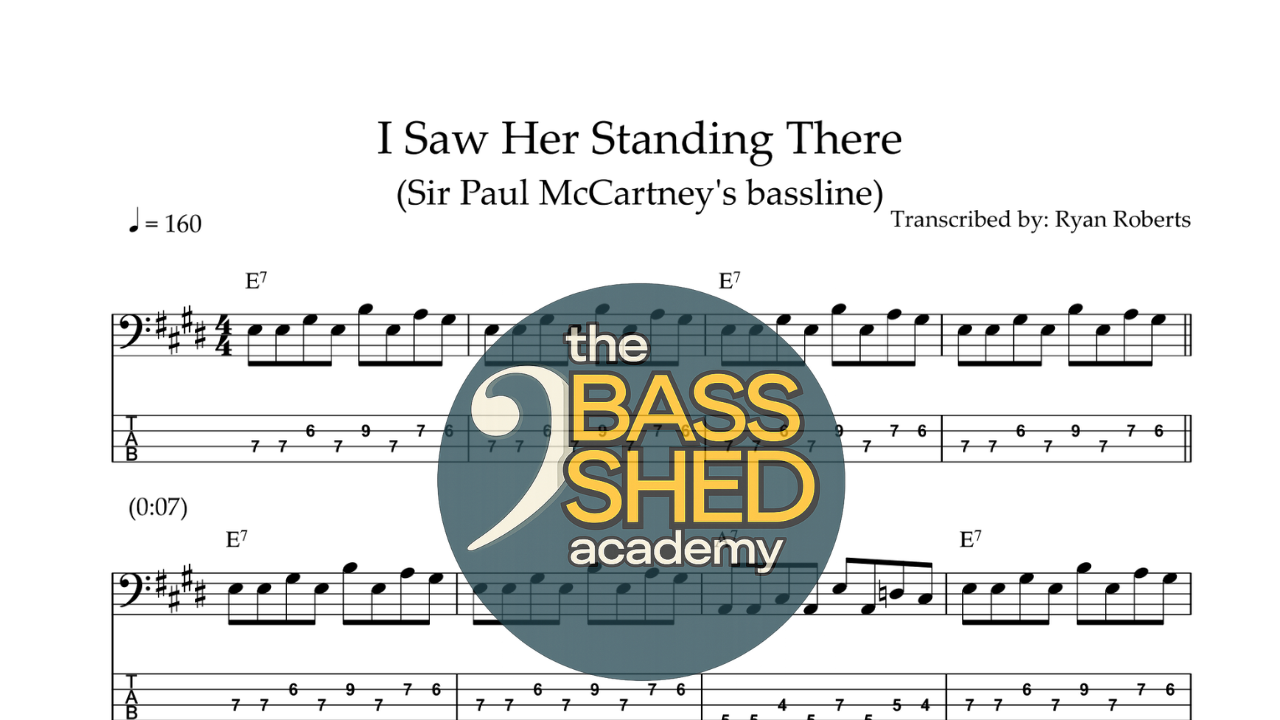
Paul McCartney's bassline in "I Saw Her Standing There" is a quintessential example of his early style with The Beatles. It's a driving, energetic bassline that propels the song forward and adds a sense of urgency and excitement. McCartney's bassline in this song is known for its catchy riff and its prominent role in the overall sound of the track. It's a perfect complement to the song's upbeat rhythm and infectious melody, showcasing McCartney's skill as both a bassist and a songwriter. The bassline in "I Saw Her Standing There" is a classic example of McCartney's ability to create memorable and influential bass parts that contribute to the timeless appeal of The Beatles' music.
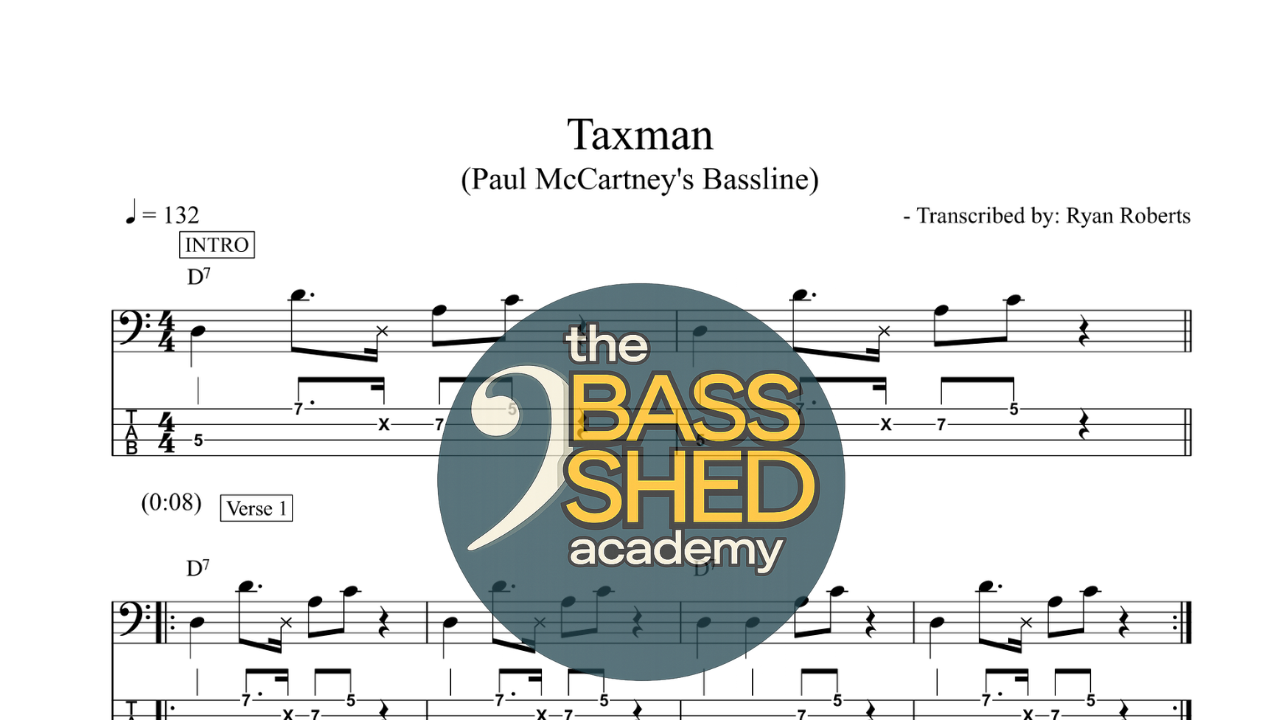
The bassline in "Taxman" by The Beatles, played by Paul McCartney, is a standout example of his creative and influential bass playing. McCartney's bassline in "Taxman" is characterized by its driving rhythm and melodic movement, adding a dynamic groove to the song. It's a perfect example of how McCartney's bass playing often served as a crucial component of The Beatles' sound, providing both a solid foundation and an additional layer of musical interest. The bassline in "Taxman" showcases McCartney's ability to craft memorable and inventive bass parts that enhance the overall impact of the song.
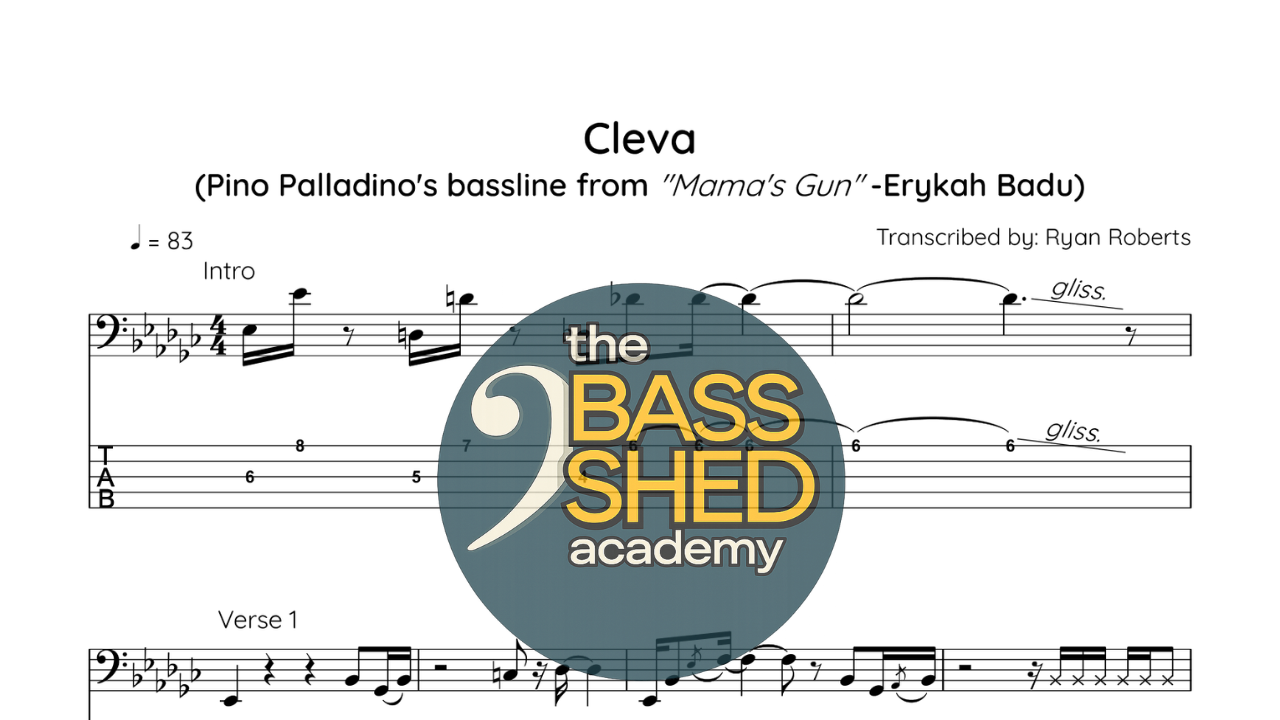
Pino Palladino's bassline in Erykah Badu's song "Cleva" is a masterclass in groove and subtlety. Palladino is known for his impeccable sense of rhythm and his ability to support the song while adding his own unique flair. In "Cleva," he lays down a smooth, funky bassline that perfectly complements Badu's soulful vocals and the overall vibe of the track. The bassline has a laid-back feel, but it's also incredibly tight and precise, showcasing Palladino's incredible skill as a bassist. It's a prime example of how a great bassline can elevate a song and give it that extra dose of magic.
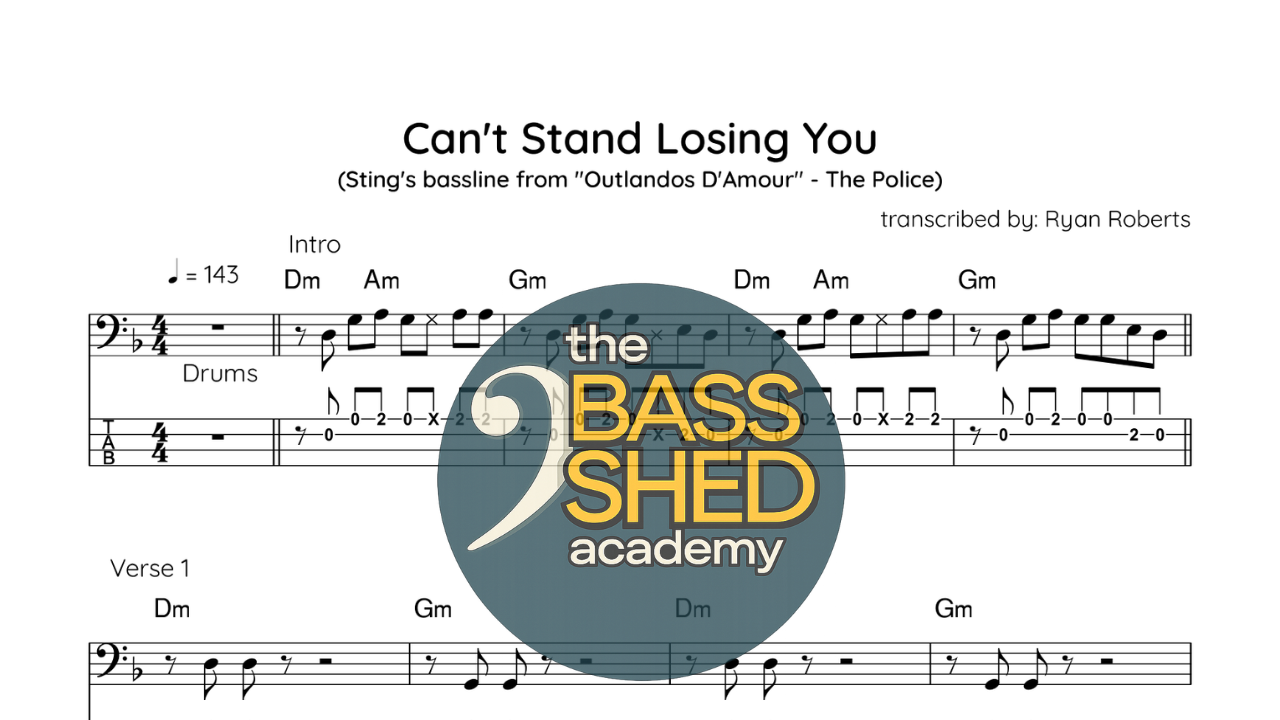
The bassline in "Can't Stand Losing You" by The Police, featuring Sting on bass, is another classic example of his skill as a bassist. It's a driving, energetic line that propels the song forward with its catchy rhythm and melodic hooks. Sting's bass playing in this track, like in many other Police songs, is dynamic and integral to the band's distinctive sound. It perfectly complements the guitar riffs and drumming, contributing to the overall intensity and urgency of the song.
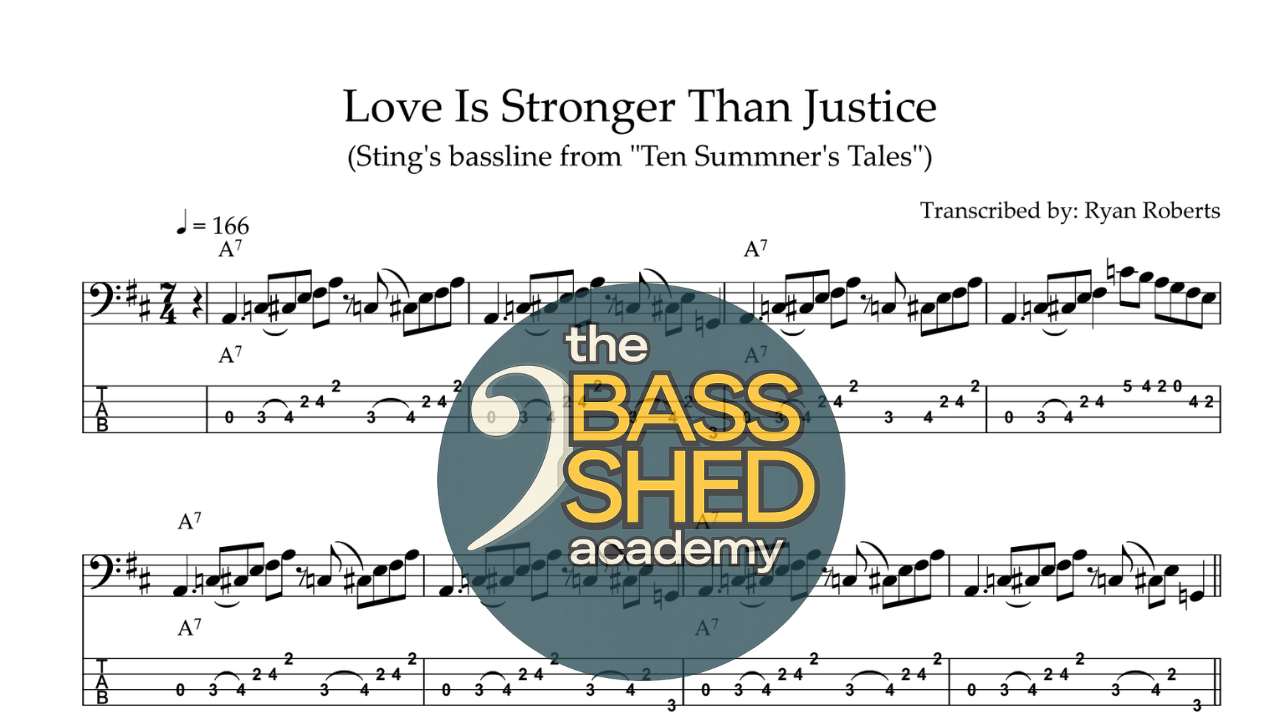
"Love Is Stronger Than Justice (The Munificent Seven)" is a track by Sting from his 1993 album "Ten Summoner's Tales." The bassline in this song is indeed catchy and distinctive, contributing to the overall groove and feel of the track. It's a testament to Sting's skill as a songwriter and musician that he's able to craft such memorable basslines that enhance his music.
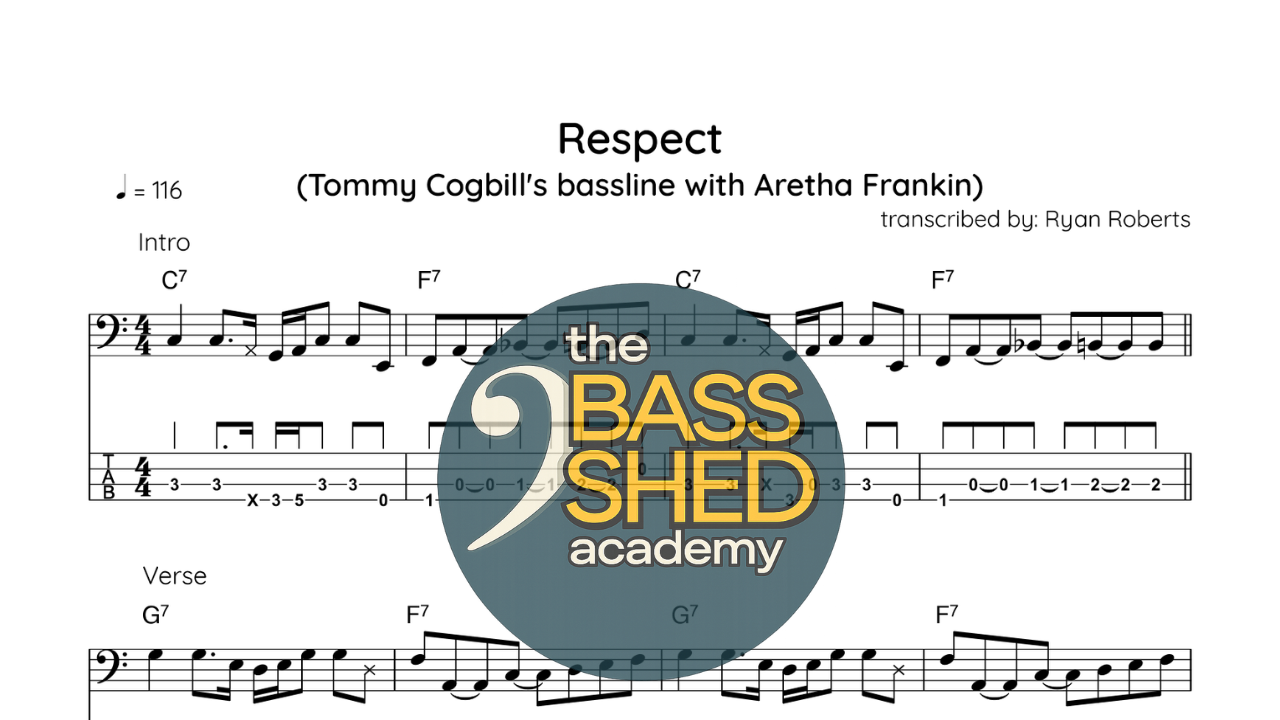
The bassline for "Respect" by Aretha Franklin, which was performed by Tommy Cogbill, is iconic. It's a classic example of a simple yet powerful bassline that drives the song forward. Cogbill's bassline on "Respect" is known for its rhythmic groove and syncopation, especially in the chorus where it locks in with the drums to create a solid foundation for Franklin's vocals to soar over. It's a great example of how a well-crafted bassline can elevate a song and make it memorable.
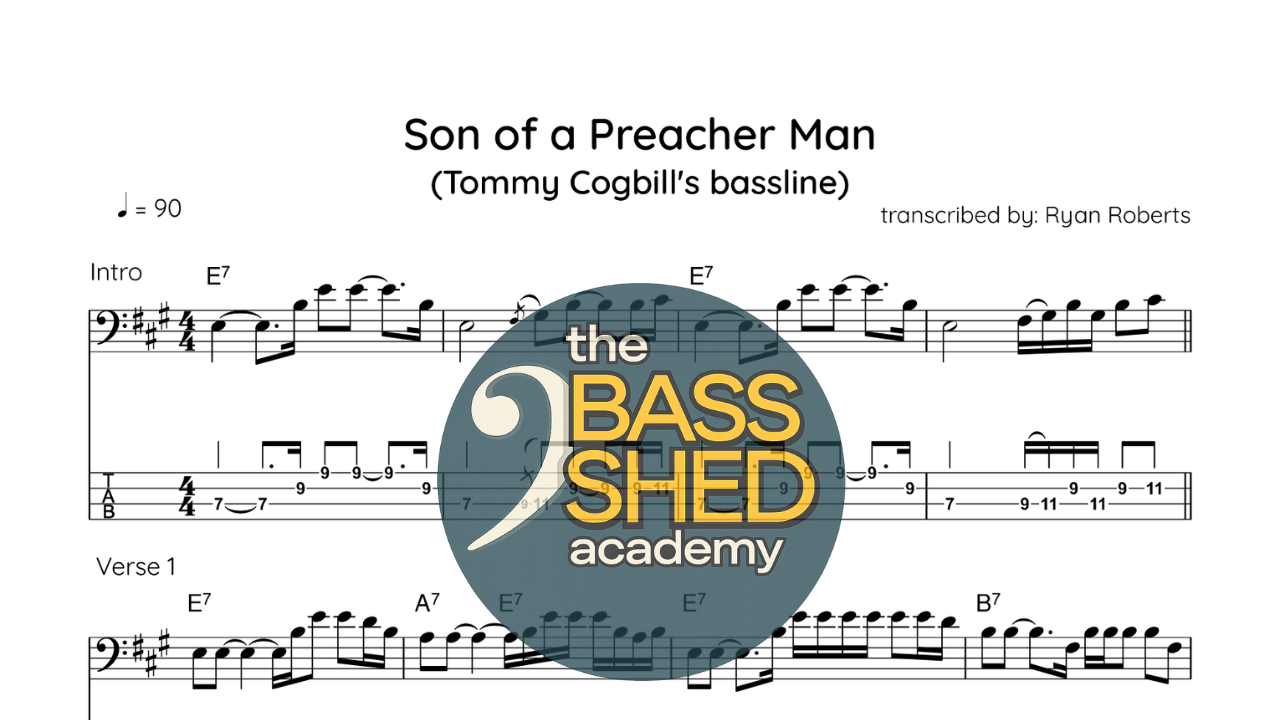
The bassline for "Son of a Preacher Man" by Dusty Springfield, famously played by Tommy Cogbill, is a classic example of a groovy and iconic bass riff in popular music. Tommy Cogbill's bassline in this song is characterized by its rhythmic drive and melodic interplay with the vocals and other instruments. It's one of those instantly recognizable basslines that's not only catchy but also provides a solid foundation for the entire song.
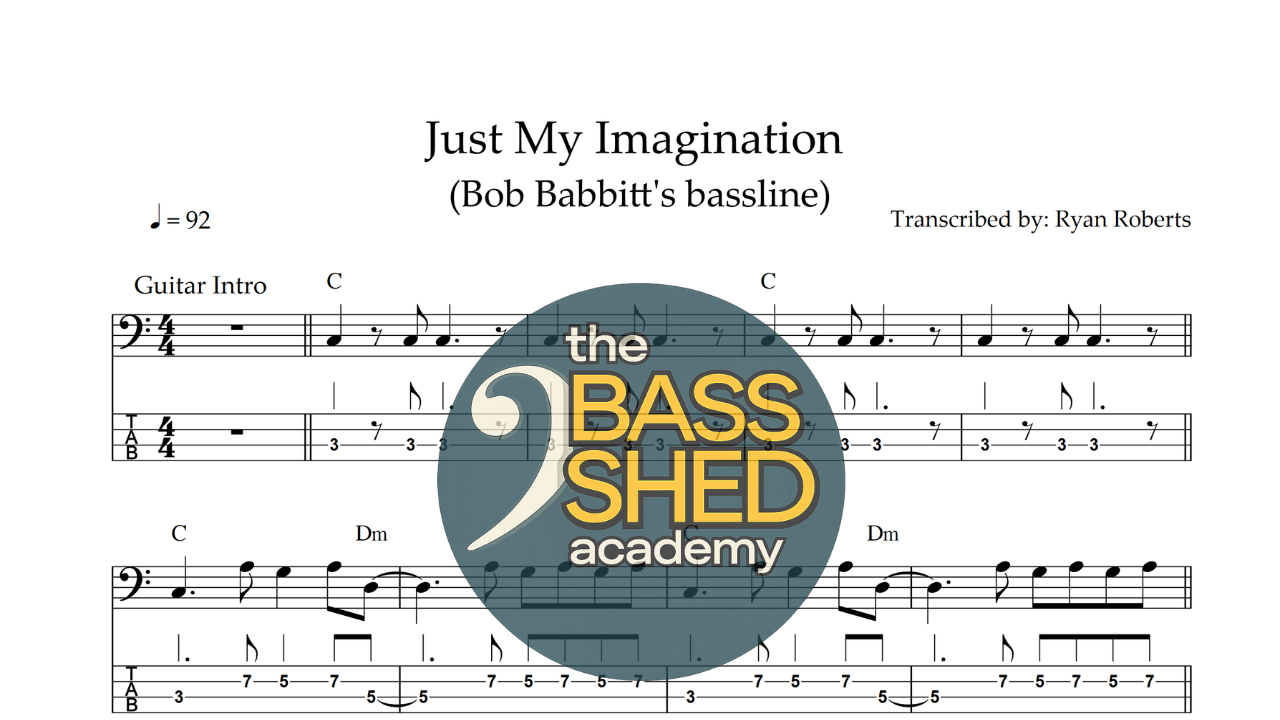
"Just My Imagination (Running Away with Me)" by The Temptations features a beautiful bassline played by Bob Babbitt. It's smooth, melodic, and perfectly complements the song's dreamy atmosphere. Babbitt's bassline provides a solid foundation for the rest of the instrumentation while also adding depth and groove to the track. His playing style on this song showcases his impeccable timing, tone, and musicality, making it a standout element of the song.
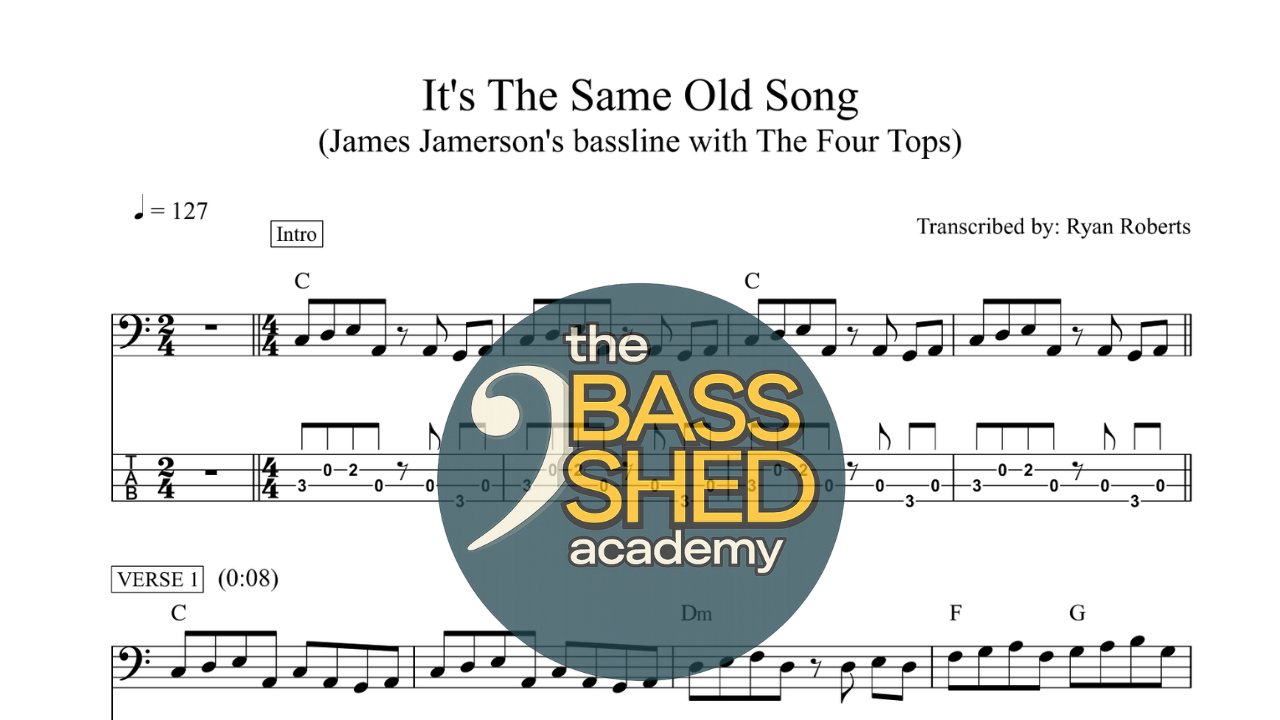
James Jamerson, a legendary bassist, played a crucial role in shaping the sound of Motown Records. His work on "The Same Old Song" by The Four Tops is an excellent example of his innovative style and musicality.
Here are some key points about James Jamerson's contribution to "The Same Old Song":
1**Bass Line**: Jamerson's bass line in "The Same Old Song" is known for its melodic and rhythmic complexity. He often played syncopated lines that added a distinctive groove to the song. His ability to blend technical prowess with a deep sense of musicality made his bass lines memorable and essential to the Motown sound.
**Technique**: Jamerson typically played using his right index finger, which he nicknamed "The Hook." This unique technique contributed to his signature sound, characterized by a warm, round tone with clear articulation. His use of ghost notes and intricate phrasing added depth and movement to the bass parts.
**Influence**: Jamerson's playing on "The Same Old Song" and countless other hits influenced generations of bassists. His work set a standard for how the bass could drive the rhythm and harmony in pop music.
**Instrumentation**: The song features Jamerson's Fender Precision Bass, a staple instrument for many of his recordings. The Precision Bass's solid, punchy sound was ideal for the Motown style.
**Collaborations**: Jamerson was part of the Funk Brothers, the house band for Motown. His collaboration with other talented musicians, such as drummer Benny Benjamin and keyboardist Earl Van Dyke, created a tight, cohesive sound that was central to Motown's success.
James Jamerson's contribution to "The Same Old Song" showcases his exceptional talent and the critical role he played in the development of modern bass playing. His work continues to be celebrated and studied by musicians worldwide.
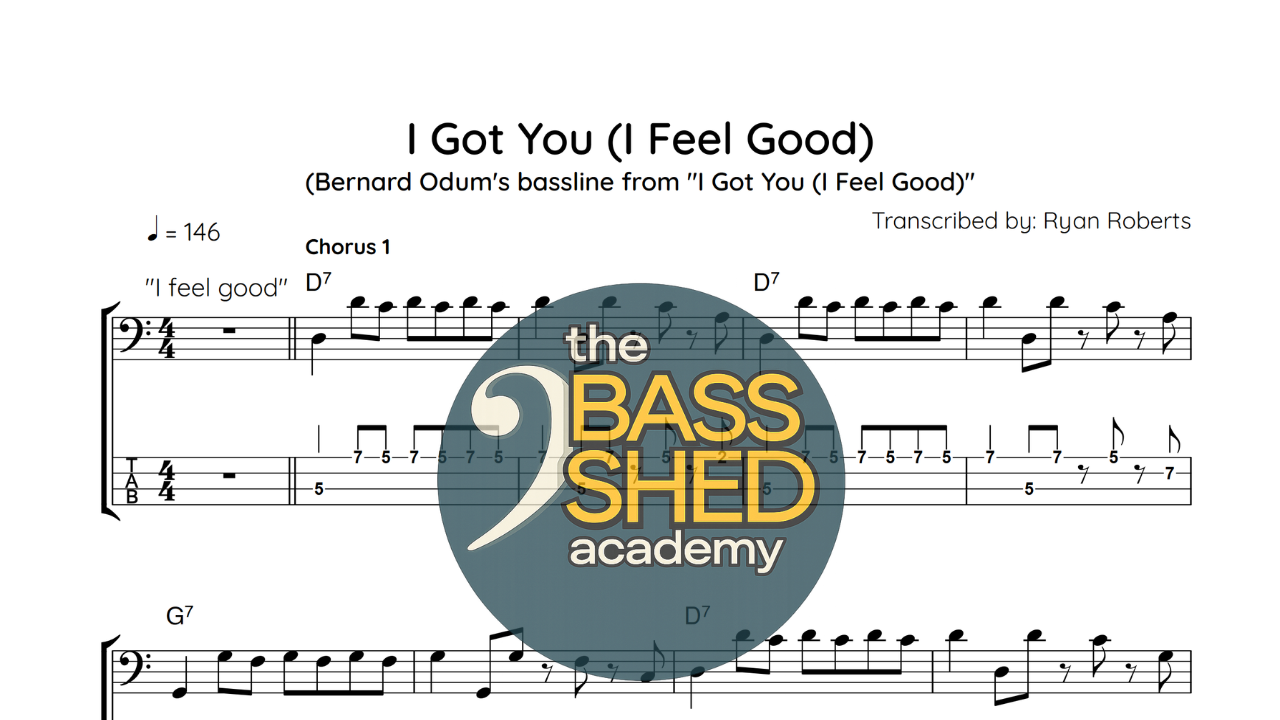
"I Got You (I Feel Good)" is another iconic funk song by James Brown, released in 1965. Bernard Odum played bass on this track as well. His bassline, like in many other James Brown songs, is fundamental to the groove and energy of the music. "I Got You (I Feel Good)" is one of James Brown's most famous songs, known for its infectious rhythm, catchy melody, and enthusiastic vocal performance. Bernard Odum's contribution, along with the rest of the band, helped create a timeless classic that continues to be celebrated and enjoyed by audiences around the world.

James Jamerson's bassline on Marvin Gaye's "What's Going On" is considered one of the most iconic and influential bass lines in music history. Jamerson, a legendary bassist with Motown's house band The Funk Brothers, used his signature melodic, flowing, and deeply rhythmic style to create a bassline that is both complex and soulful.
Syncopation and Groove: Jamerson's bassline is highly syncopated, creating a groove that feels both relaxed and dynamic. He often played off the beat, adding unexpected accents that push the song forward while maintaining a laid-back feel.
Melodic Approach: Unlike many bassists who primarily played root notes, Jamerson treated the bass as a melodic instrument. His lines often included passing tones, chromatic runs, and motifs that made the bassline sing in a way that complemented the vocals and other instruments.
Use of Open Strings: Jamerson frequently used open strings to create a fuller, more resonant sound. This technique also allowed for greater fluidity and speed in his playing.
Muted Notes and Ghost Notes: His use of muted and ghost notes added a percussive element to his playing, enhancing the rhythm and adding texture to the overall sound.
Technical Proficiency: Jamerson's bassline on "What's Going On" showcases his exceptional technical skills, including his ability to seamlessly move across the fretboard and his precise control over dynamics and articulation.
This transcription highlights some of the key techniques Jamerson used, including hammer-ons and syncopated rhythms. However, his actual performance is far more intricate and nuanced, reflecting his genius as a bassist.
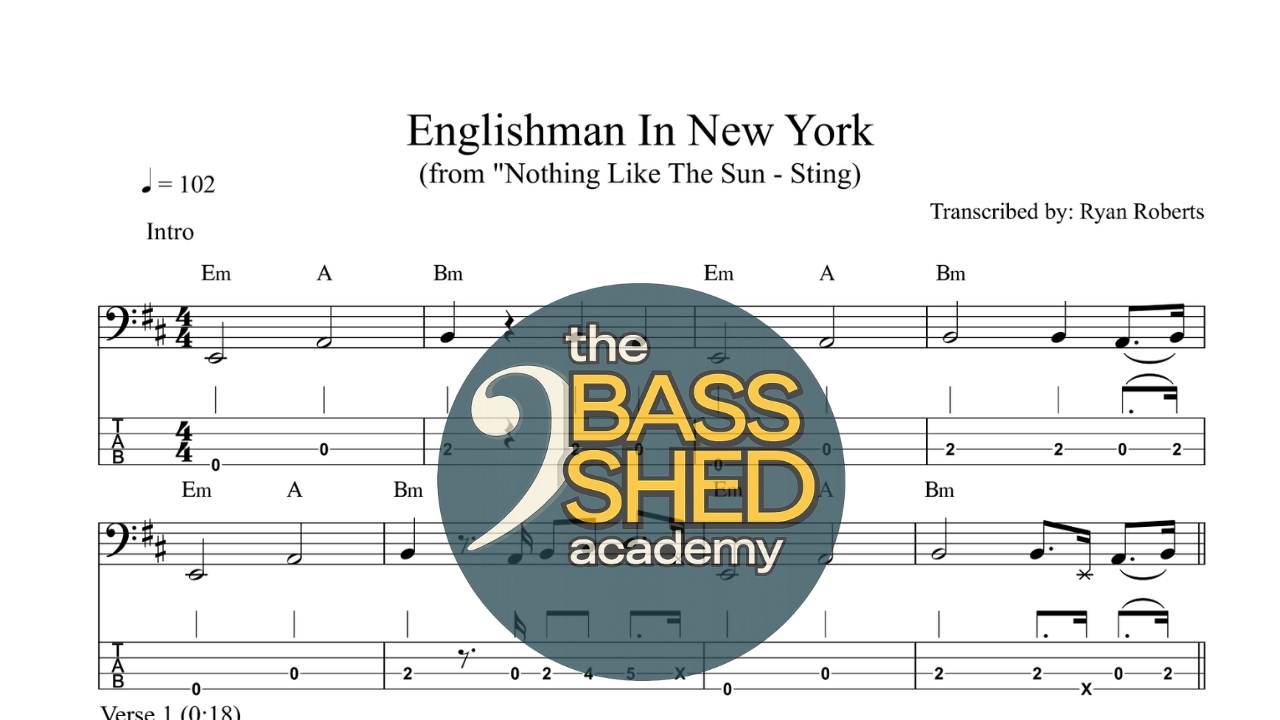
The bassline in "Englishman in New York" by Sting is an iconic part of the song. It's a smooth, groovy line that adds to the overall jazzy and laid-back feel of the track. The bassline complements Sting's vocals and the saxophone melodies beautifully, creating a timeless sound that captures the essence of the song's theme.
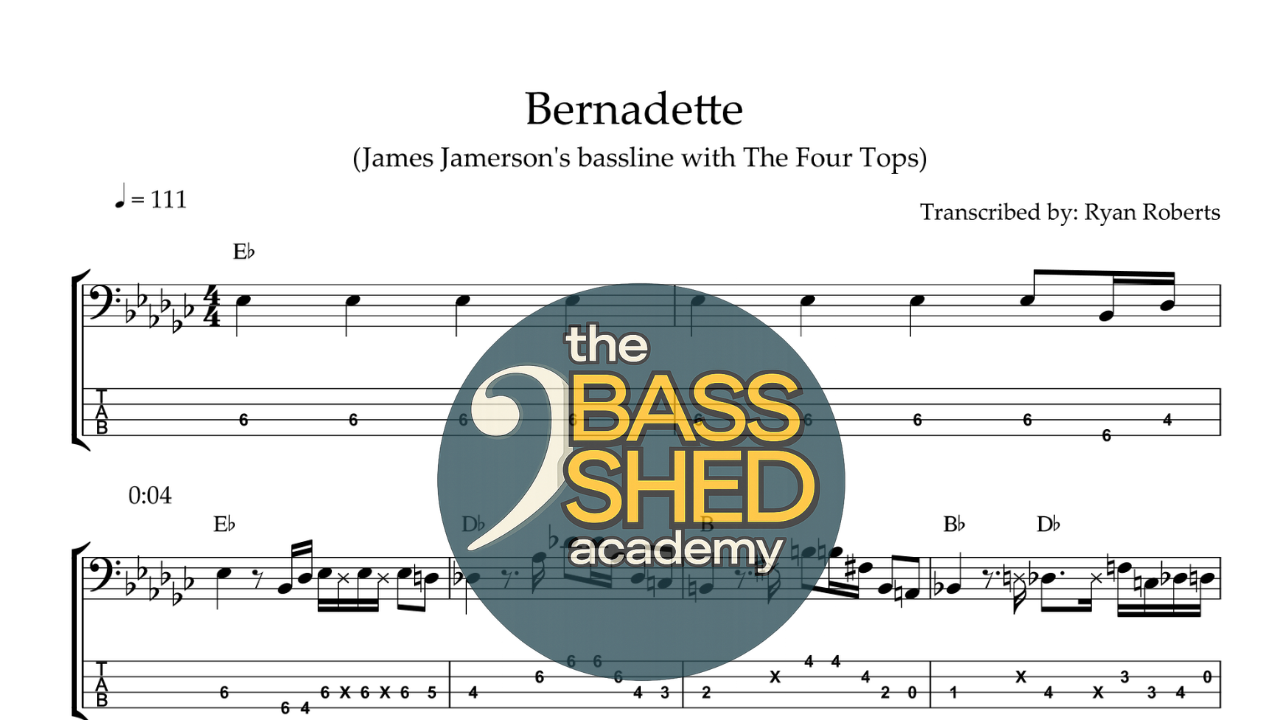
"Bernadette" by The Four Tops features another iconic bassline by James Jamerson.
**Driving Rhythm**: Like many of Jamerson's basslines, "Bernadette" features a driving rhythm that provides the song with its energetic pulse. The bassline acts as a foundation upon which the rest of the instrumentation can build.
**Syncopated Groove**: Jamerson's bassline is characterized by its syncopated groove, with accents on off-beats and unexpected rhythmic patterns. This adds excitement and complexity to the bassline, keeping it interesting and engaging throughout the song.
**Melodic Elements**: As with other Jamerson basslines, there are melodic elements woven into the groove of "Bernadette." Instead of simply playing root notes, Jamerson incorporates melodic fills and runs that enhance the overall musicality of the bassline.
**Dynamic Variation**: Throughout the song, Jamerson varies his playing dynamics to match the intensity of each section. He might play with more aggression during the chorus or dial it back for a softer, more subdued verse. This dynamic variation helps to shape the overall feel of the song.
**Interaction with Other Instruments**: Jamerson's bassline interacts seamlessly with the other instruments in the arrangement, creating a tight and cohesive sound. Whether he's locking in with the drums or complementing the vocals and horns, his bassline adds depth and texture to the song.
Jamerson's bassline in "Bernadette" is a prime example of his incredible talent and contribution to the Motown sound. It's a classic groove that continues to inspire bassists and music lovers alike.
No results match your search. Try removing a few filters.