
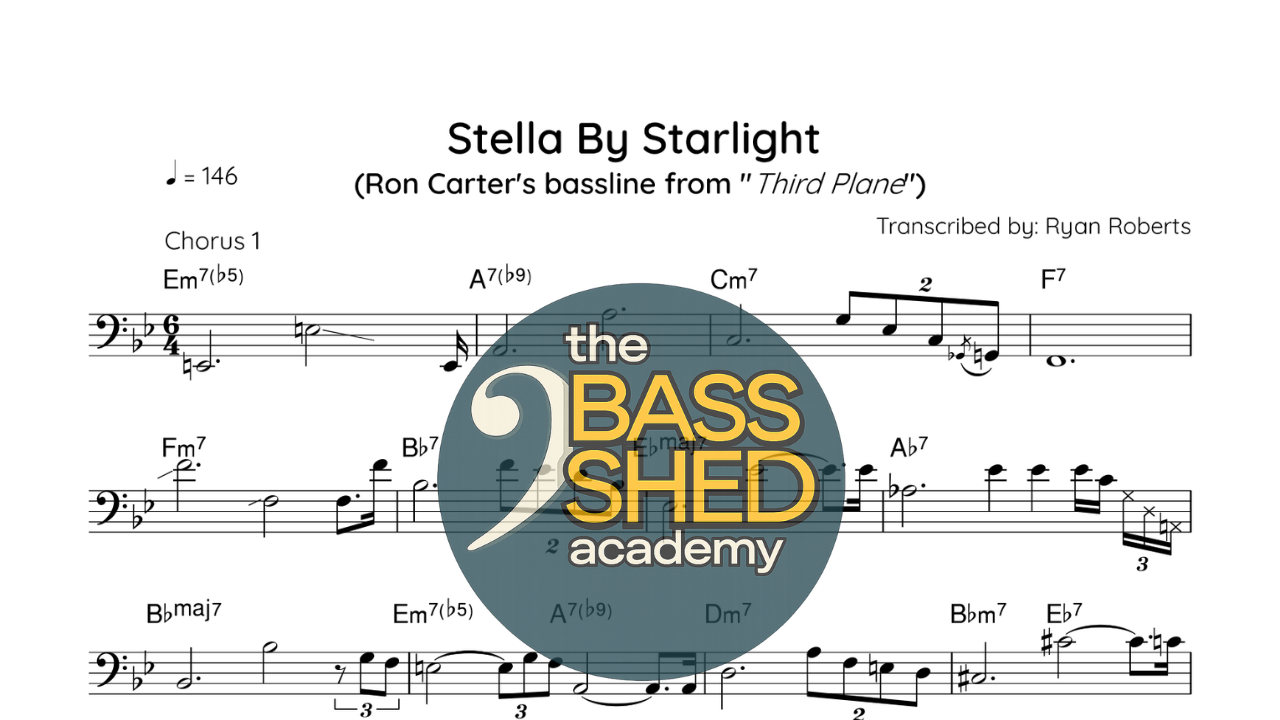
Ron Carter's basslines on the album "Third Plane" are excellent examples of his virtuosity and creativity as a jazz bassist. "Third Plane," released in 1977, features Ron Carter alongside Herbie Hancock on piano and Tony Williams on drums. This trio of legendary jazz musicians delivers a masterclass in improvisation and interaction.
Walking Basslines: Carter is known for his smooth and melodic walking basslines. He often uses a mix of chord tones, passing tones, and chromaticism to create movement and interest.
Rhythmic Variety: He employs a variety of rhythmic patterns, including syncopation, which adds to the dynamic feel of his playing.
Use of Space: Carter is a master at using space effectively. He knows when to let notes breathe and when to fill in with more notes, creating a sense of tension and release.
Interaction with Drums and Piano: His basslines often interact closely with the drums and piano, responding to and complementing what his bandmates are playing.
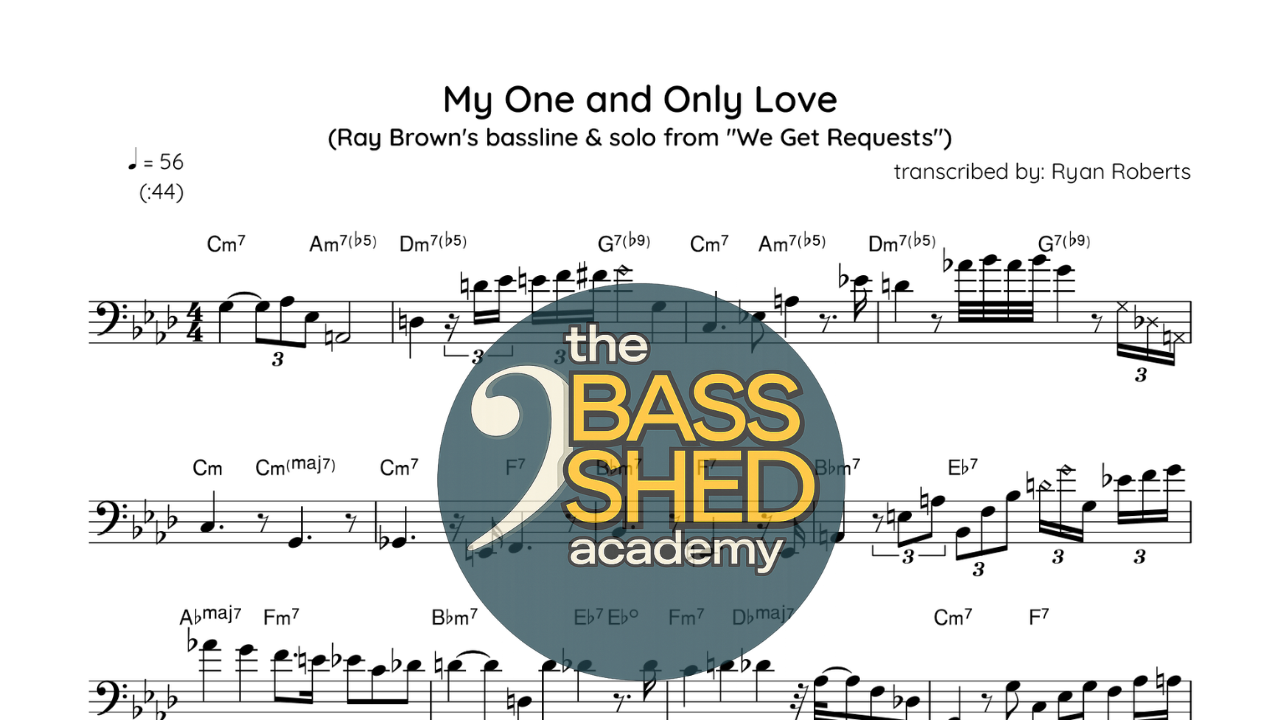
Ray Brown, a renowned jazz bassist, is celebrated for his work with the Oscar Peterson Trio. One of their notable recordings is the album "We Get Requests," released in 1964. On this album, their rendition of "My One and Only Love" stands out as a beautiful example of Ray Brown's virtuosity and musical sensitivity.
**Bass Technique**: Ray Brown's bass technique on "My One and Only Love" is exemplary of his smooth, lyrical playing style. His ability to maintain a strong rhythmic foundation while playing melodically is a hallmark of his style. Brown's use of walking bass lines and his ability to seamlessly integrate into the trio's sound are evident in this performance.
**Musical Interaction**: In "My One and Only Love," Brown's interplay with Oscar Peterson (piano) and Ed Thigpen (drums) is exceptional. The trio's chemistry allows for a cohesive and dynamic performance, with each musician listening and responding to the others. Brown's bass lines provide both harmonic support and melodic counterpoint, enhancing the overall texture of the piece.
**Sound and Tone**: Ray Brown's rich, resonant tone on the double bass is a defining feature of his playing. In this recording, his sound is full and warm, contributing to the romantic and expressive quality of the ballad. Brown's precise intonation and articulate phrasing add to the emotional depth of the performance.
**Soloing**: While "My One and Only Love" is primarily a showcase for lyrical interpretation, Ray Brown's solo passages highlight his improvisational skills. His solos are marked by tasteful note choices, melodic coherence, and rhythmic inventiveness, demonstrating his command of the instrument and deep understanding of jazz harmony.
**Legacy and Influence**: Ray Brown's work on "We Get Requests" and particularly on "My One and Only Love" has left a lasting impact on jazz bassists. His approach to the bass as both a rhythmic and melodic instrument continues to inspire musicians. The album remains a quintessential example of the jazz trio format and Brown's contribution to its development.
Ray Brown's performance on "My One and Only Love" from "We Get Requests" exemplifies his exceptional musicianship and his role as one of the most influential jazz bassists of all time. The recording is a testament to his ability to blend technical proficiency with deep musical expression.
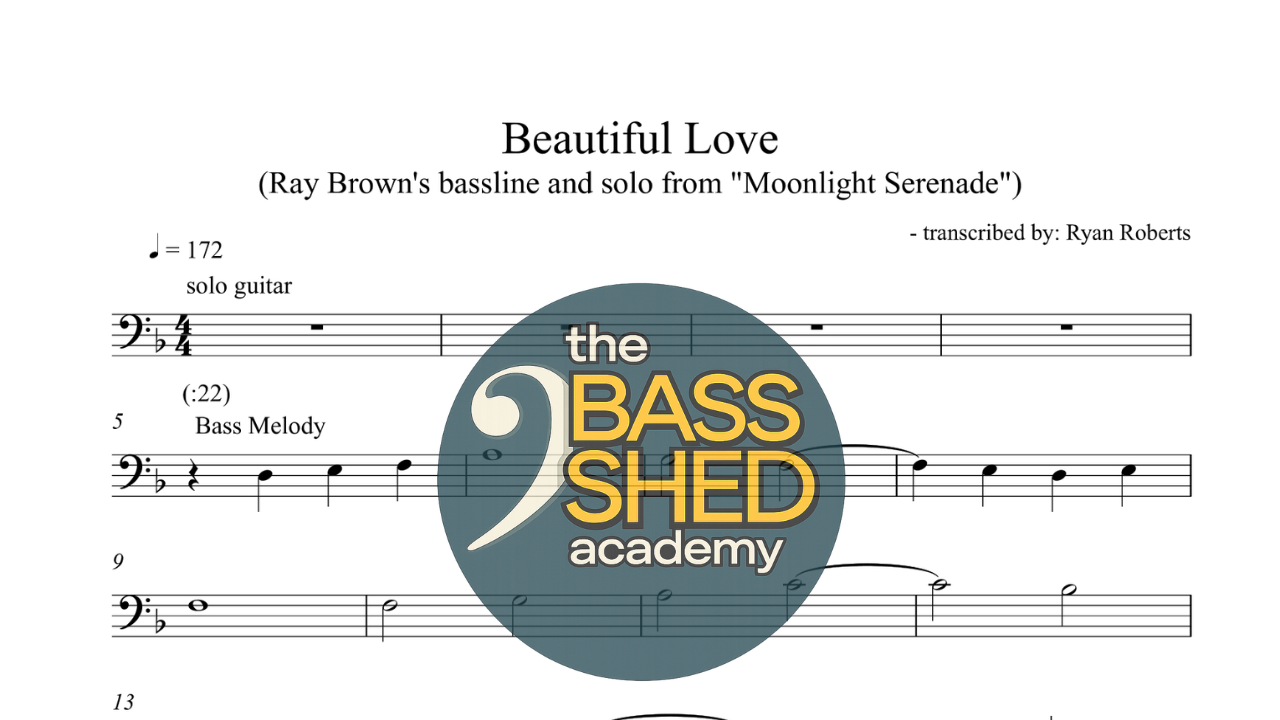
Ray Brown and Laurindo Almeida's rendition of "Beautiful Love" is a renowned jazz interpretation that showcases the fusion of Brown's adept bass playing with Almeida's virtuosic guitar skills. Their collaboration brings out the best of both artists, creating a rich and melodious version of this jazz standard.
Ray Brown is known for his impeccable timing, deep tone, and rhythmic innovation. His ability to provide a solid foundation while also contributing melodically sets him apart as a bassist.
"Beautiful Love" is a jazz standard composed by Victor Young, Wayne King, Egbert Van Alstyne, and Haven Gillespie. It has been interpreted by numerous artists, each bringing their own flair to the piece.
Their collaboration on "Beautiful Love" is a testament to their musical prowess and ability to blend different styles into a cohesive and beautiful rendition. The interplay between Brown's bass and Almeida's guitar creates a rich, textured sound that captivates listeners and showcases the timeless nature of the jazz standard.
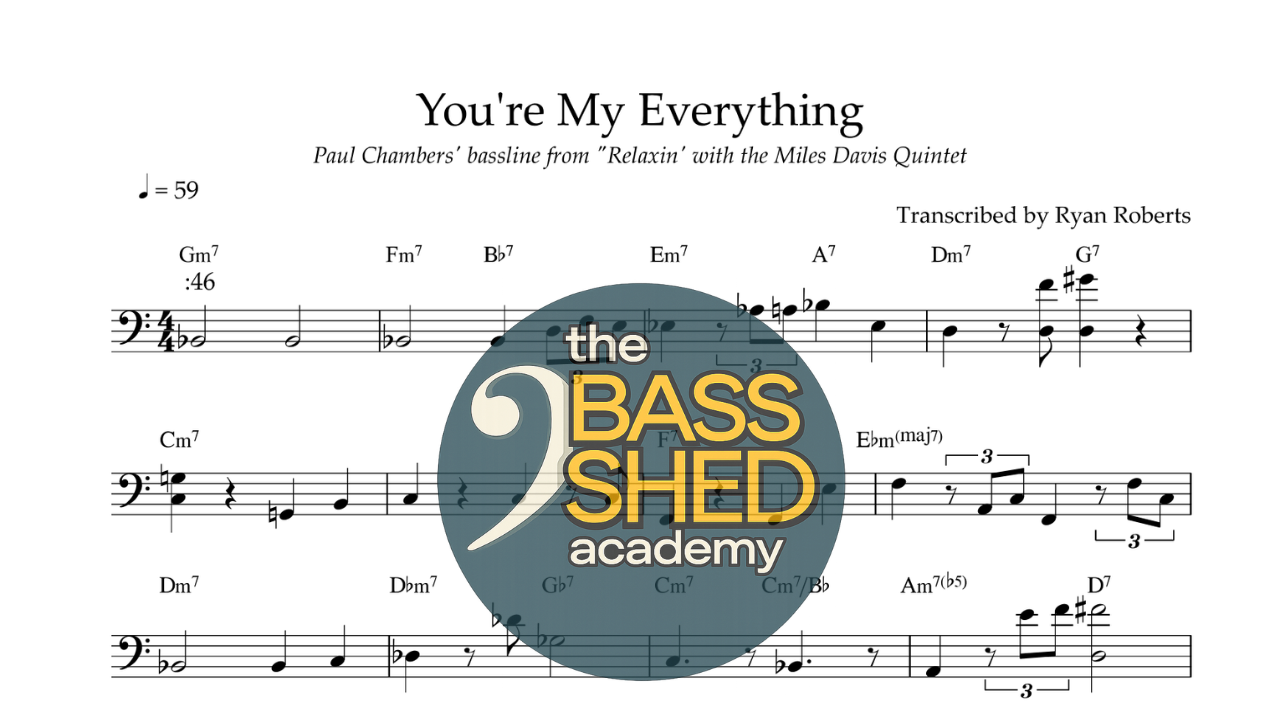
You’re My Everything" by Paul Chambers is a jazz piece from the 1957 album Paul Chambers Quintet. It's a beautiful, soulful track showcasing Chambers' talents as a bassist. The composition is characterized by its melodic bass lines and rich harmonic progressions, making it a standout piece in the jazz genre
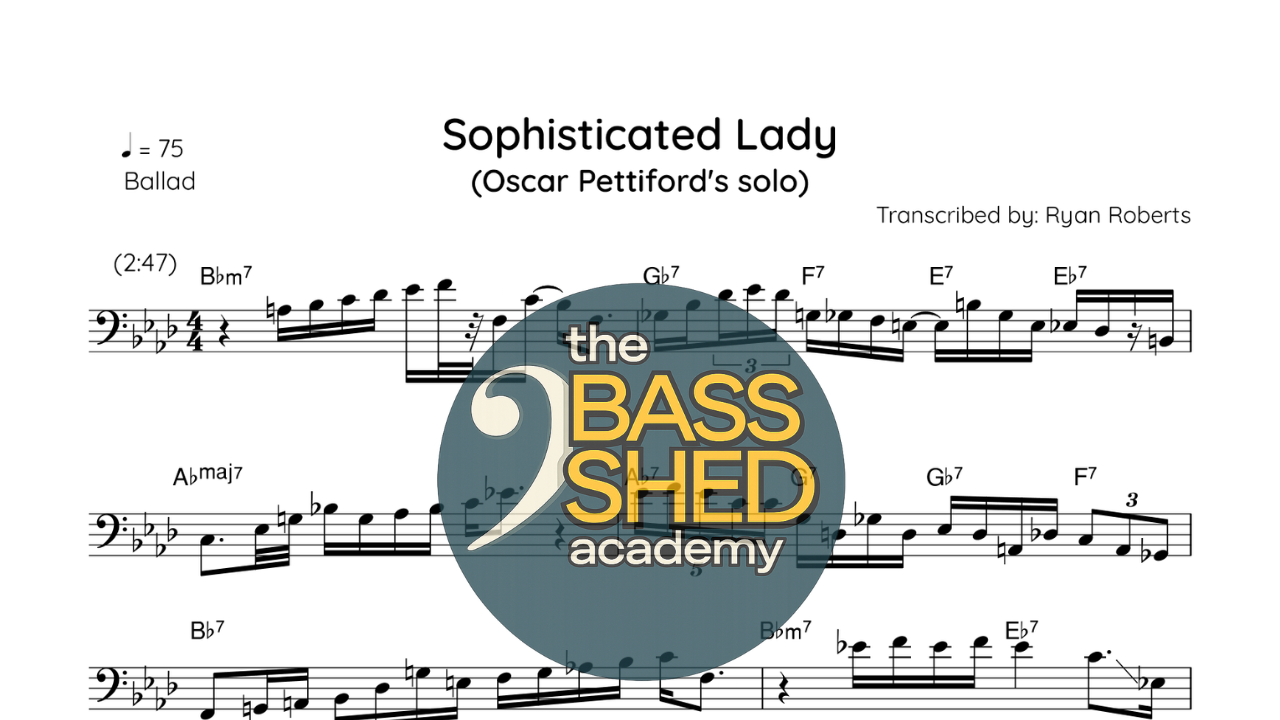
Oscar Pettiford's rendition of "Sophisticated Lady" features a remarkable bass solo that showcases his virtuosic playing and deep musicality.
**Technique and Articulation**: Pettiford's technique is impeccable. Pay attention to his smooth, fluid finger work and precise articulation.
**Melodic Interpretation**: He takes a melodic approach to his solos, staying true to the essence of the song while exploring inventive variations.
**Rhythmic Complexity**: Notice his use of complex rhythms and syncopations, which add depth and interest to his solo lines.
**Interaction with the Band**: Pettiford's solos are not just isolated moments but are integrated into the overall performance, interacting with the other musicians and contributing to the ensemble sound.
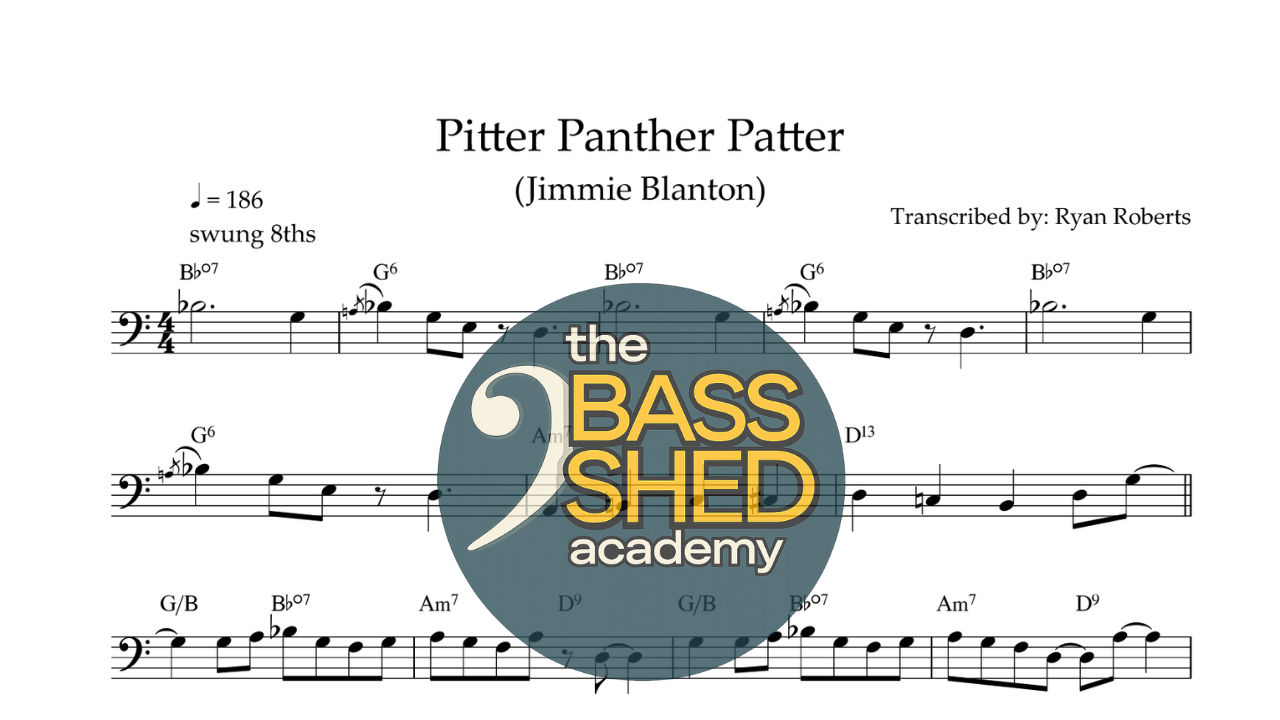
Pitter Panther Patter is a jazz composition famously associated with bassist Jimmie Blanton. Blanton was a groundbreaking musician, best known for his work with the Duke Ellington Orchestra. His innovative approach to the double bass helped to transform it from a simple rhythm instrument into a solo voice within the ensemble.
Jimmie Blanton joined Duke Ellington's band in 1939 and quickly became a key member, thanks to his virtuosity and innovative techniques. His contributions to jazz during his short career (he passed away at the young age of 23 due to tuberculosis) were significant and have had a lasting impact on the genre.
Pitter Panther Patter is one of the notable recordings that showcase Blanton's talents. It's a duet featuring Blanton on bass and Duke Ellington on piano. The piece highlights Blanton's dexterity, melodic sensibility, and ability to engage in complex interplay with Ellington. The recording exemplifies the shift in jazz bass playing, illustrating how Blanton elevated the instrument's role in a jazz ensemble.
Full transcription of Jimmie Blanton’s bassline and solo breaks on “Pitter, Panther, Patter”
4 page transcription
standard notation
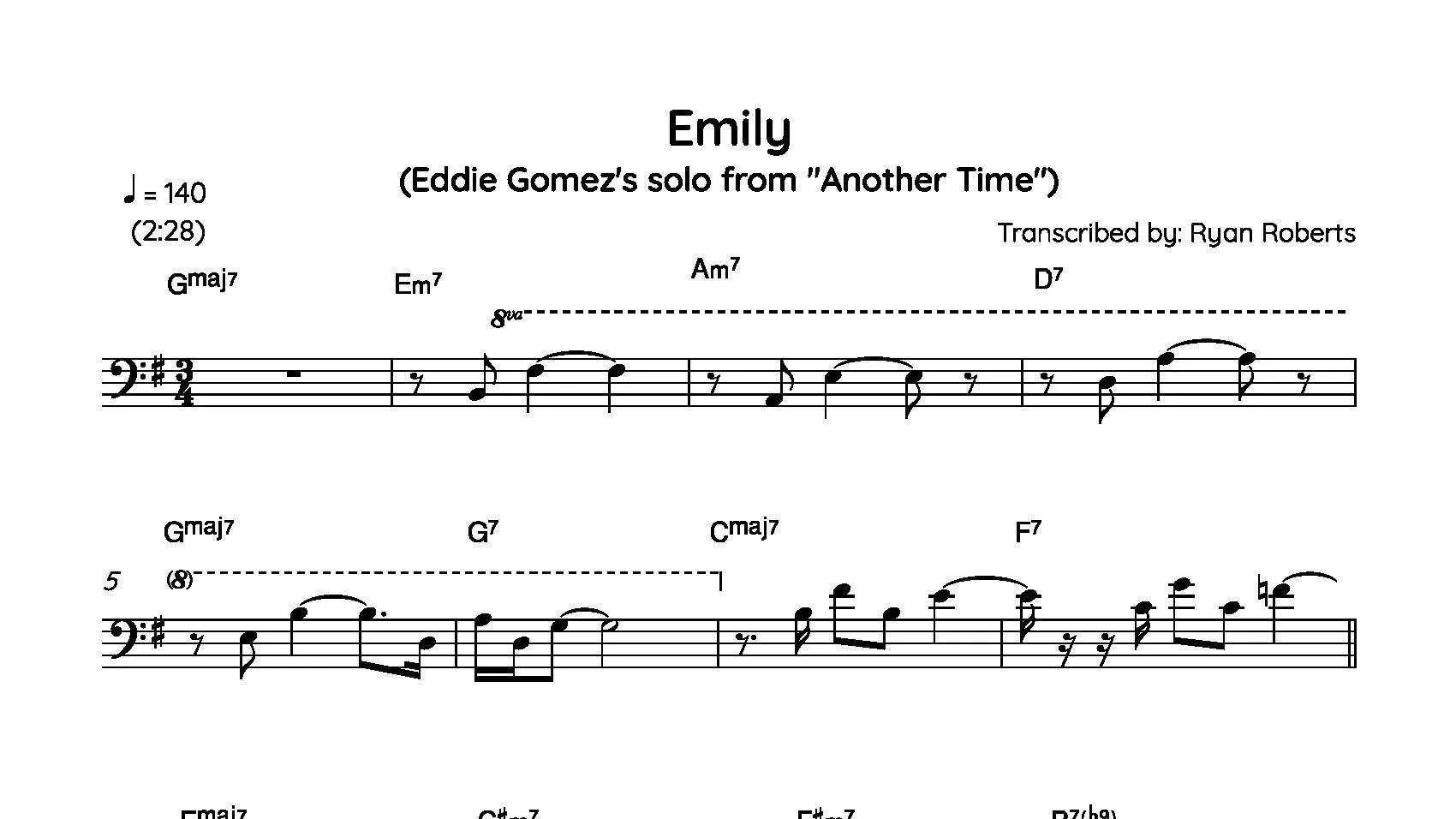
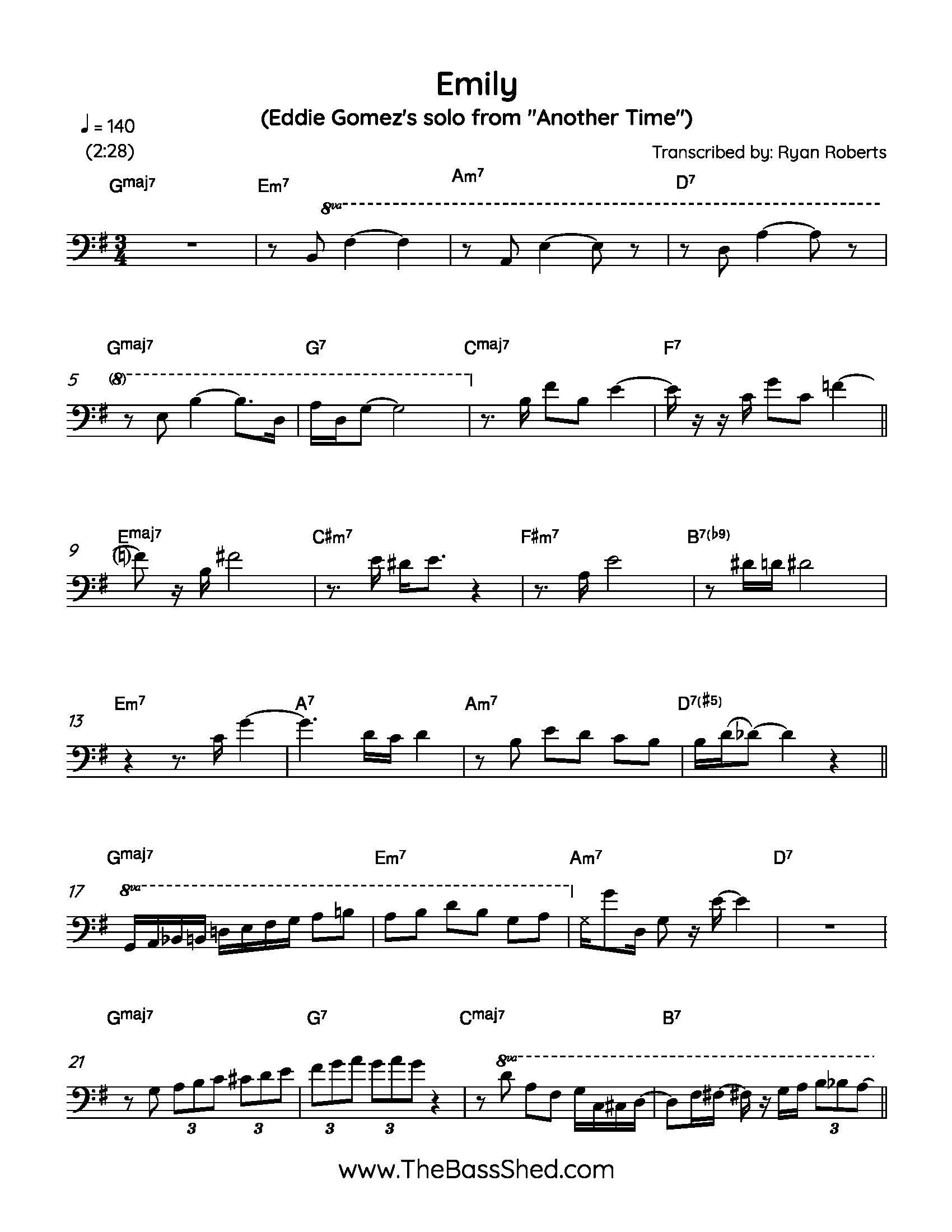
Eddie Gomez is known for his exceptional skill and expressive solos in jazz music. "Emily" is a jazz standard composed by Johnny Mandel with lyrics by Johnny Mercer, often performed as an instrumental piece.
**Eddie Gomez**: A highly acclaimed jazz bassist known for his work with the Bill Evans Trio and other jazz greats. He is celebrated for his virtuosity and lyrical style on the double bass.
**"Emily"**: A beautiful ballad that has been interpreted by many jazz musicians. The melody and harmonic structure of "Emily" provide a rich canvas for improvisation.
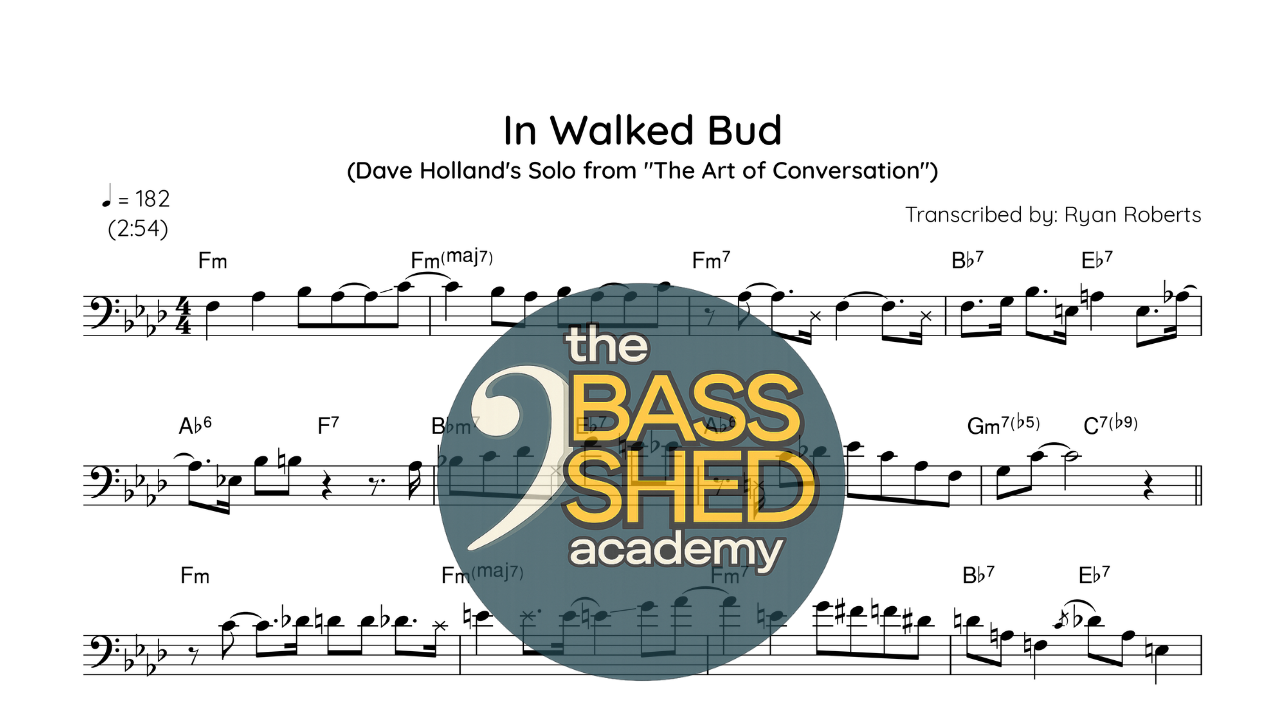
The performance of "In Walked Bud" featuring Dave Holland on bass and Kenny Barron on piano is a renowned jazz piece that showcases the exceptional talent of both musicians. This piece is a tribute to Thelonious Monk, composed by Monk himself, and is a staple in the jazz repertoire.
**Dave Holland's Bass Solo**:
**Technique**: Dave Holland is known for his impeccable technique and innovative approach to the bass. His solos often incorporate a mix of rhythmic complexity, melodic inventiveness, and harmonic sophistication.
**Improvisation**: In this performance, Holland's solo features a blend of intricate runs, dynamic phrasing, and creative use of the bass's full range. His ability to weave in and out of the harmonic structure while maintaining a strong rhythmic foundation is a hallmark of his style.
**Interaction**: Holland's interaction with Kenny Barron provides a dynamic interplay that enhances the overall performance. The communication between the bass and piano is crucial in creating a cohesive and engaging musical dialogue.
The performance of "In Walked Bud" by Dave Holland and Kenny Barron is a testament to their mastery and deep understanding of jazz. It’s a celebration of Thelonious Monk's legacy through the lens of two of the most skilled musicians in the jazz world. Their rendition not only pays homage to Monk but also brings their unique voices to the forefront, creating an unforgettable musical experience.
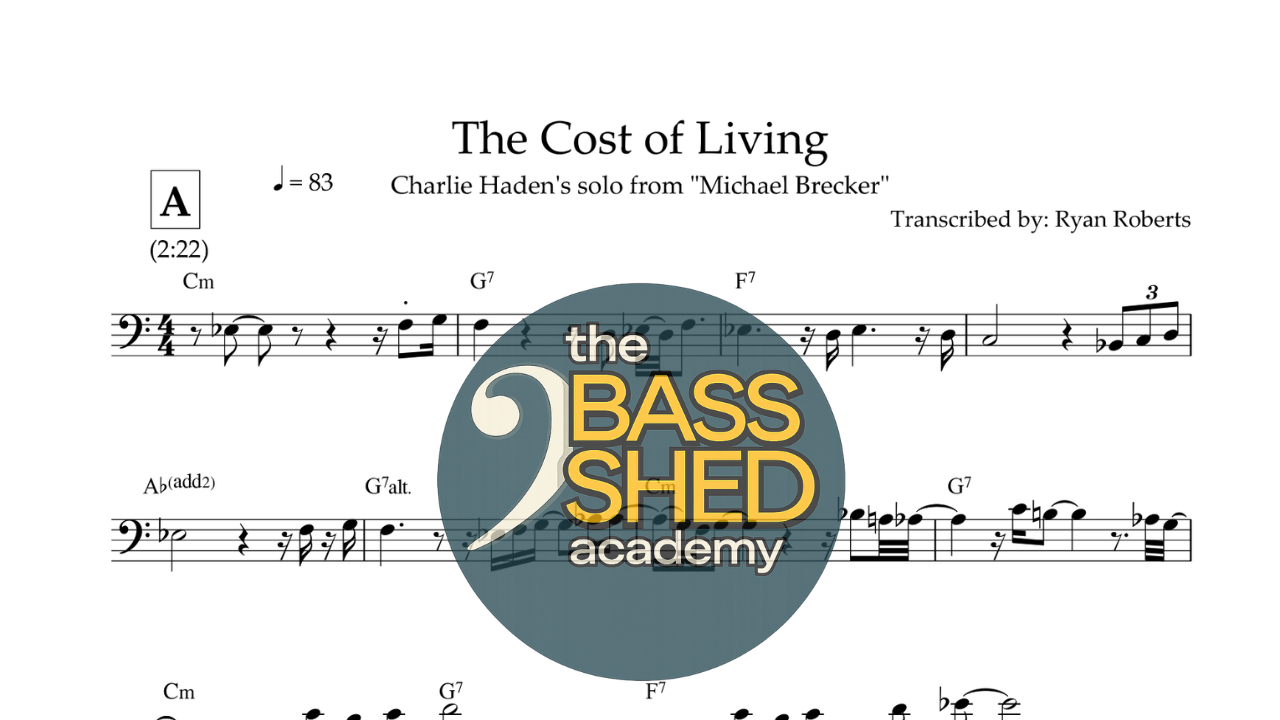
Charlie Haden's bass solo on the song "Cost of Living," from Michael Brecker’s 1986 album is a notable highlight. Haden's solo is characterized by his deep, resonant tone and his melodic, thoughtful approach to the bass.
**Expressive and Melodic**: Haden's solo is known for its lyrical quality, often treating the bass as a melodic instrument rather than just a rhythmic one.
**Use of Space**: He is famous for his use of space and timing, allowing notes to resonate and creating a contemplative atmosphere.
**Emotional Depth**: Haden's playing often conveys deep emotion, drawing listeners in with his sensitive and nuanced approach.
Listening to this solo provides a great example of Haden's unique style and his ability to contribute significantly to the overall mood and structure of a piece. For an in-depth appreciation, it's best to listen to the track itself, focusing on how Haden's solo fits within the context of the song.
No results match your search. Try removing a few filters.