

- Bernard Odum
- Bob Babbitt
- Bootsy Collins
- Charlie Haden
- Chuck Rainey
- Dave Holland
- Donald "Duck" Dunn
- Eddie Gomez
- Fred Thomas
- Genre: Blues
- Genre: Funk
- Genre: Jazz
- Genre: Pop/Rock
- Genre: Soul
- James Jamerson
- Jimmie Blanton
- Oscar Pettiford
- Paul Chambers
- Paul McCartney
- Ray Brown
- Ron Carter
- Solos
- Sting
- Tommy Cogbill

(Sittin’ On) The Dock of the Bay
Donald “Duck” Dunn’s bassline on “(Sittin’ On) The Dock of the Bay” is a masterclass in feel, support, and quiet authority. His warm tone, laid-back placement, and understated movement create the emotional foundation of the song, proving how powerful simplicity can be when delivered with absolute conviction.
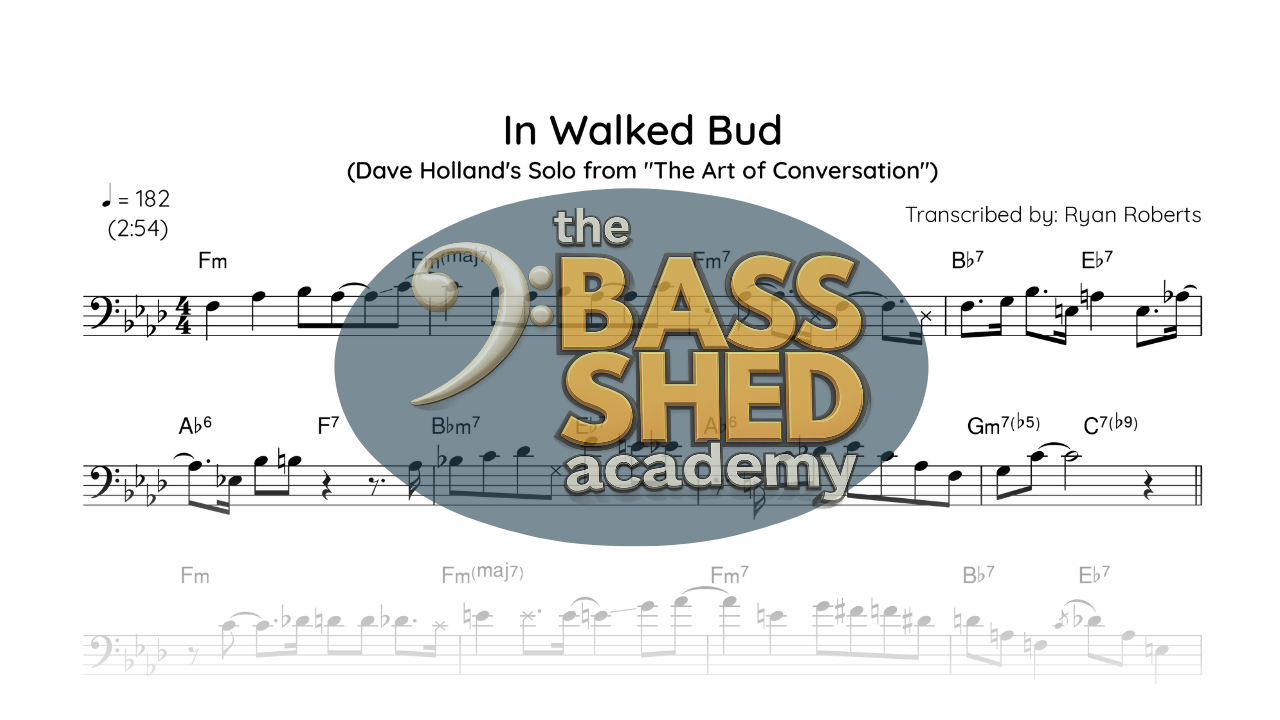
Dave Holland Solo “In Walked Bud”
Dave Holland’s solo on “In Walked Bud” is a study in clarity, intention, and melodic intelligence inside a modern jazz context. With effortless command of time and harmony, Holland shapes a solo that is both deeply rooted in the bebop language and unmistakably personal—lyrical, purposeful, and full of rhythmic nuance.
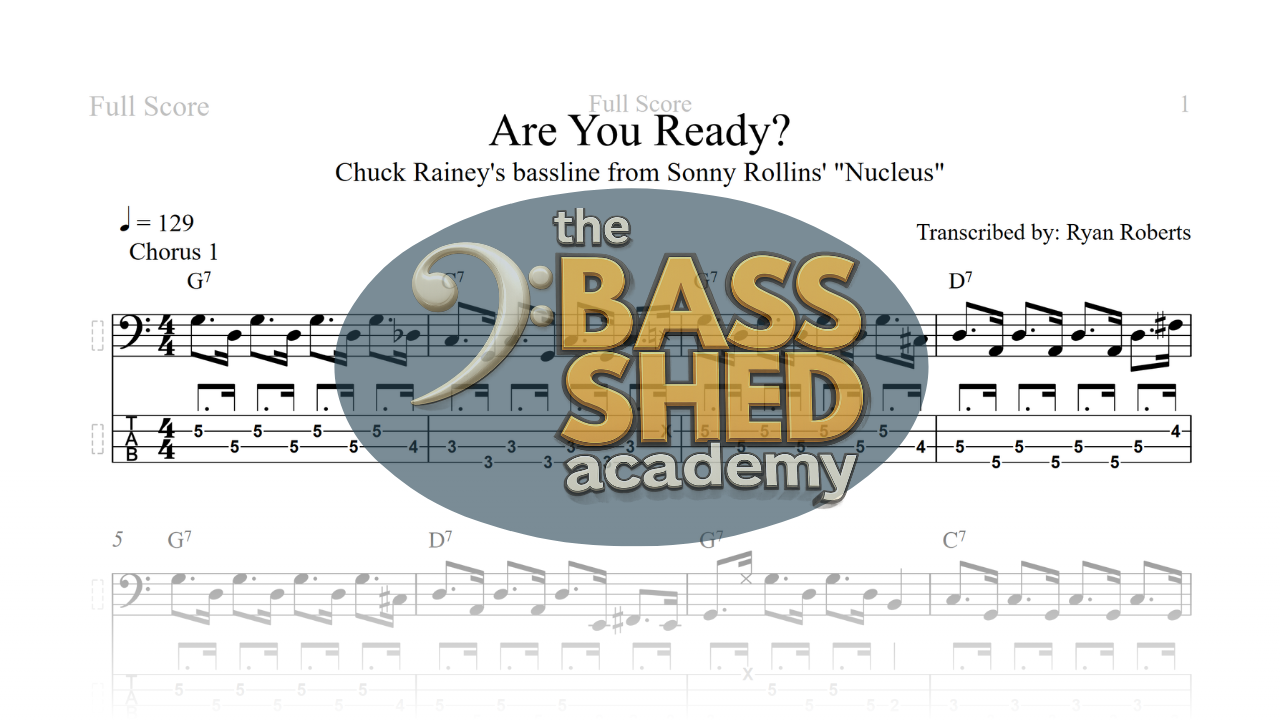
Are You Ready?
Chuck Rainey’s bassline on “Are You Ready?” delivers a powerful electric shuffle rooted in blues feel and driven by a clear, forward-moving pulse. His rhythmic variations, warm tone, and subtle harmonic coloring give the tune energy and direction, making this a standout example of how to play a jazz shuffle on electric bass with authority and purpose.
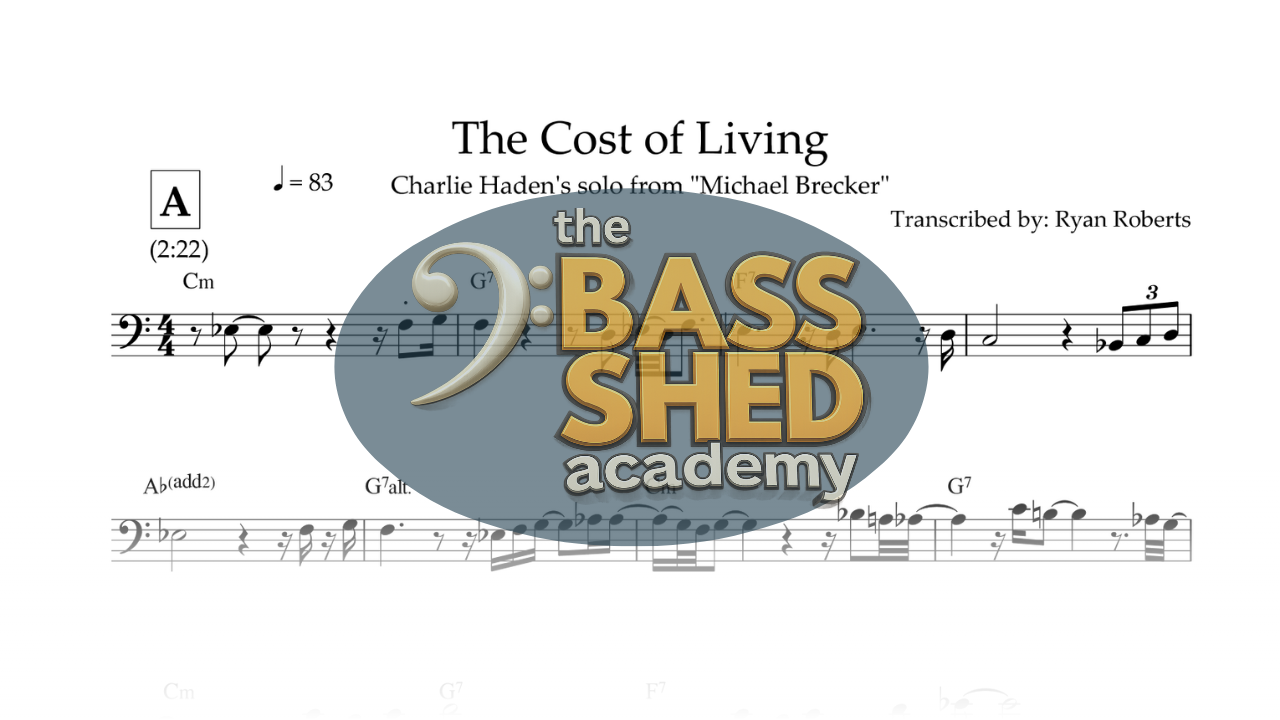
Charlie Haden - The Cost of Living
Charlie Haden’s solo on “Cost of Living” is a powerful example of melodic restraint and emotional depth. With warm tone, patient phrasing, and perfectly placed notes, Haden shapes a story that rises above technique and speaks directly to the listener. This transcription highlights his mastery of space, feel, and narrative-driven soloing.
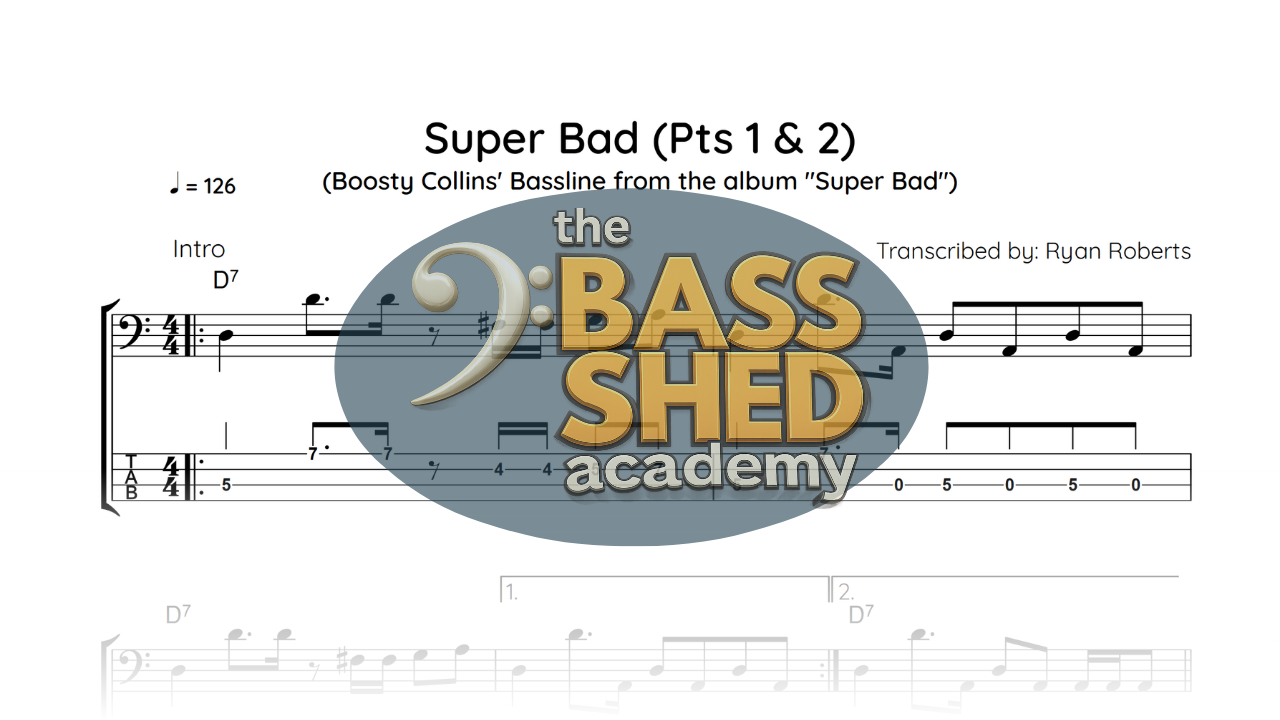
Super Bad
Bootsy Collins’ bassline on “Super Bad” is a masterclass in behind-the-beat funk — loose, minimal, and full of personality while still locked into James Brown’s strict rhythmic discipline. His warm, dry tone and elastic pocket create the hypnotic groove that defines the track and sets the stage for the evolution of modern funk.
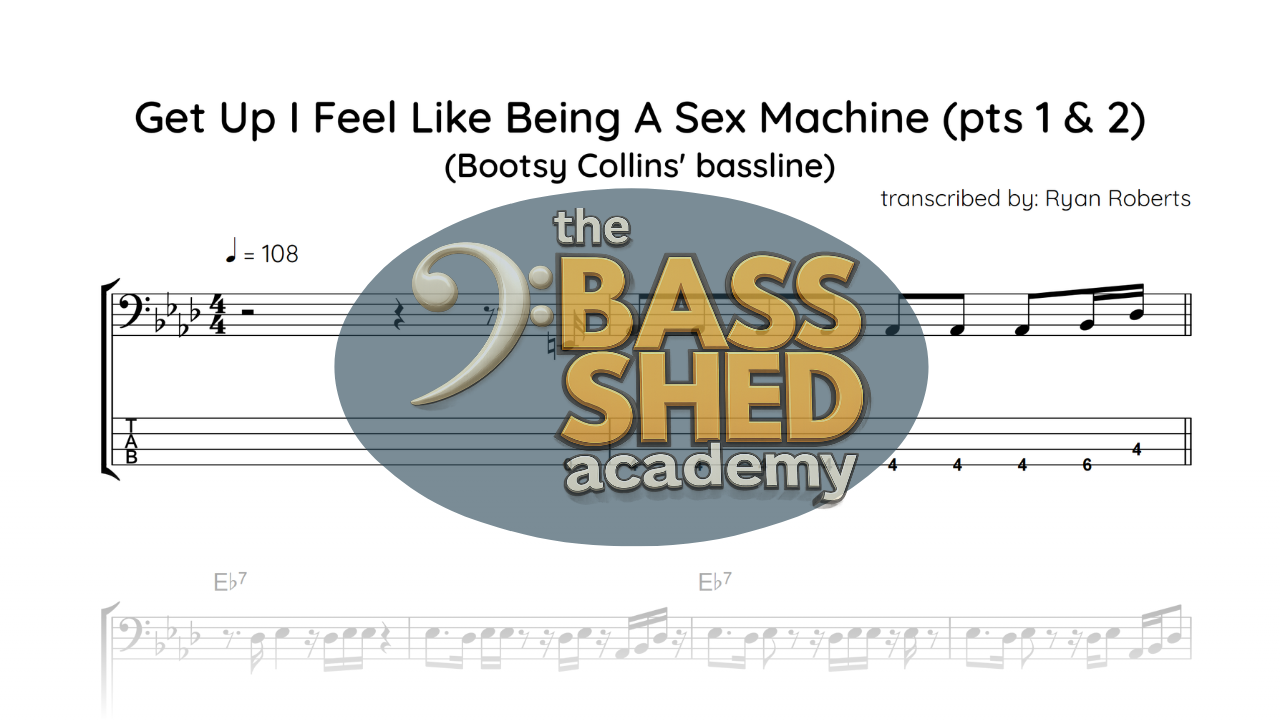
Get Up (I Feel Like Being A) Sex Machine
Bootsy Collins’ bassline on “Sex Machine” is a masterclass in minimalist funk — deep pocket, relaxed placement, and the kind of rhythmic discipline that can make a two-bar groove feel endlessly alive. His behind-the-beat swagger and punchy, controlled tone define the track’s iconic feel and set the blueprint for modern funk bass playing.
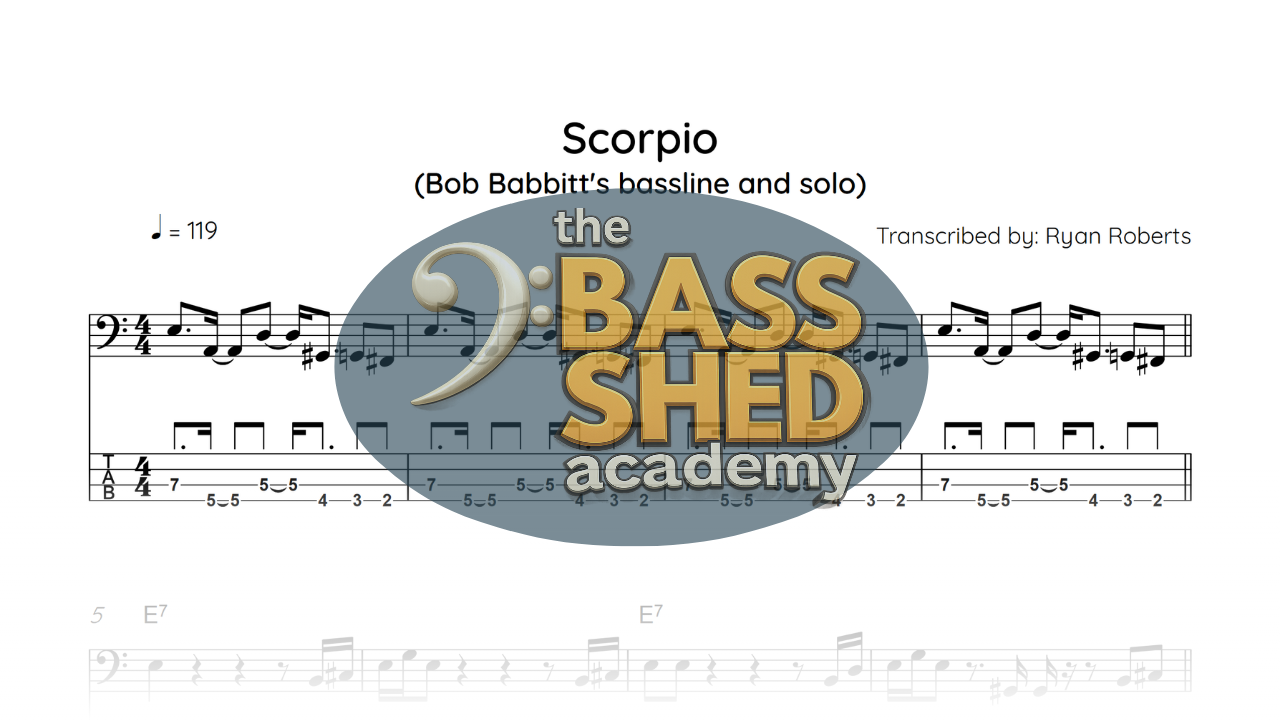
Scorpio
Bob Babbitt’s bassline on “Scorpio” is a landmark funk performance — fast, relentless, and anchored by machine-like precision. Featuring the only recorded Bob Babbitt bass solo, the track showcases his incredible articulation, stamina, and center-pocket control, making it an essential study for high-level groove players.
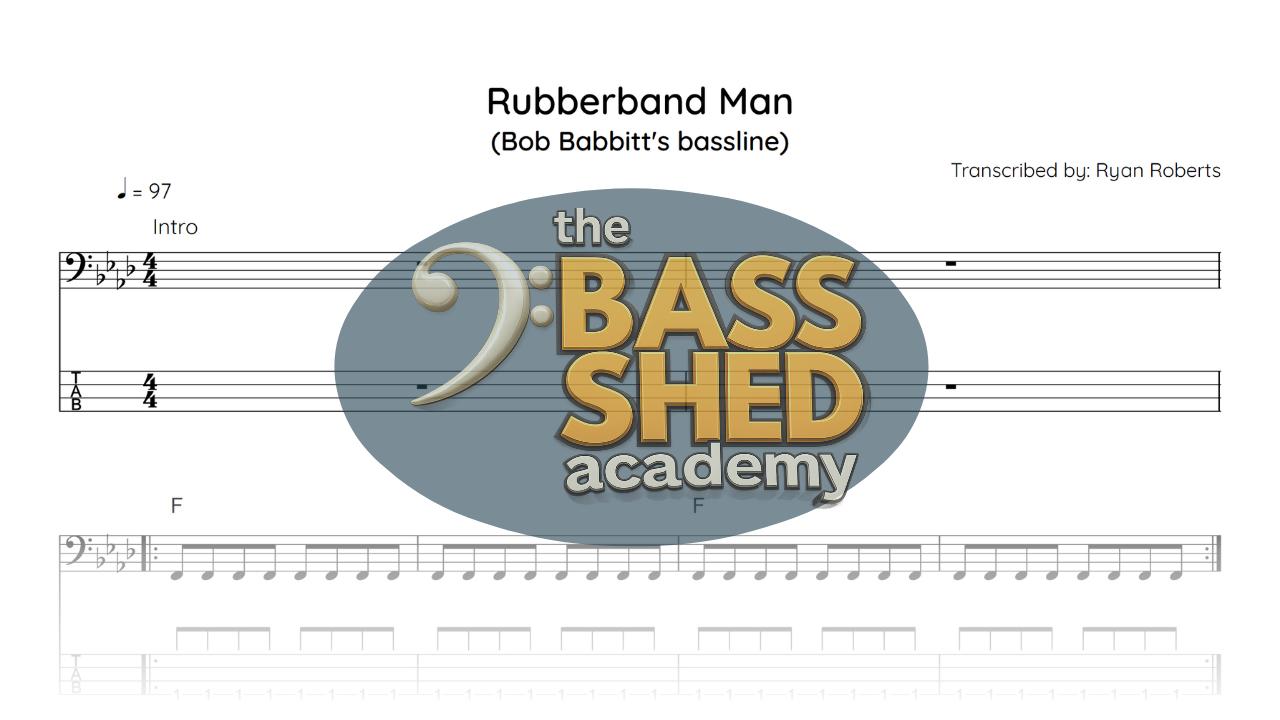
Rubberband Man
Bob Babbitt’s bassline on “The Rubberband Man” is a masterclass in groove personality — elastic, bouncy, and full of rhythmic character while still completely locked in. His tight articulation, lifted pocket, and clever motifs show how to add identity to a funk-soul classic without ever stepping outside the role of the groove.
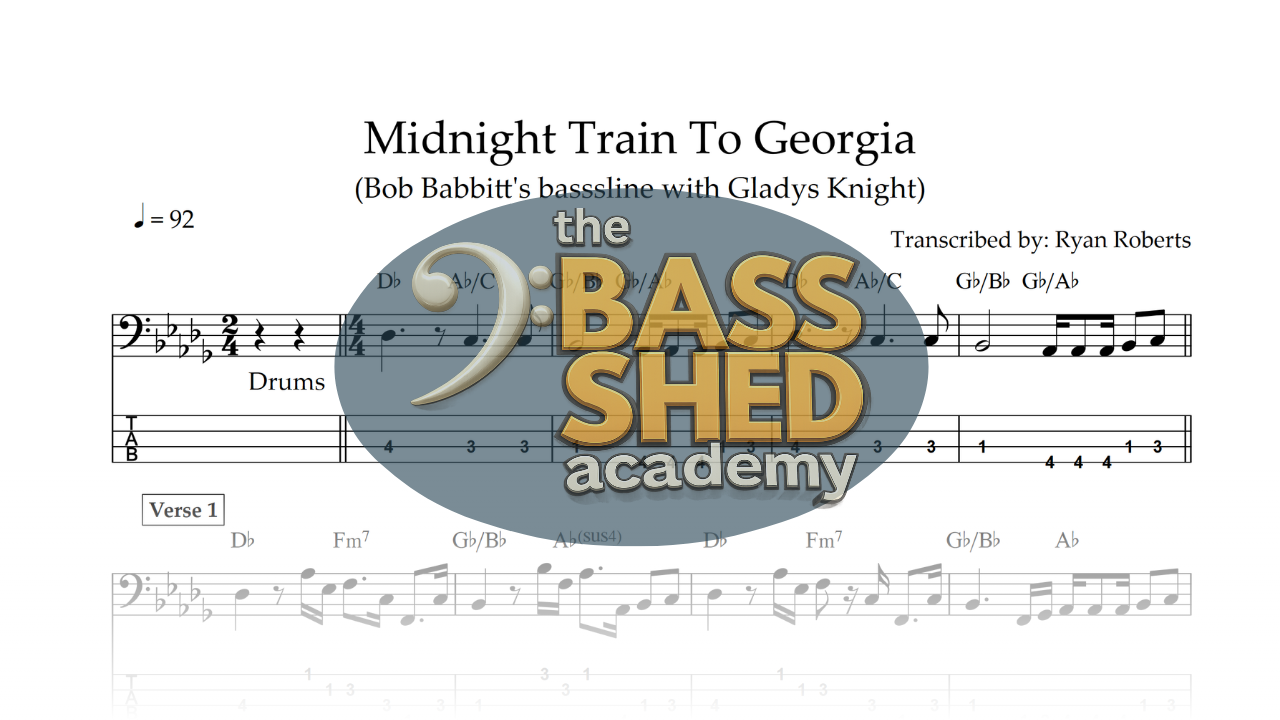
Midnight Train To Georgia
Bob Babbitt’s bassline on “Midnight Train to Georgia” is a masterclass in emotional groove playing — warm, grounded, and perfectly in step with the song’s story. His centered pocket, tasteful voice-leading, and subtle articulation create the foundation that allows the arrangement and vocals to rise and fall with effortless clarity.
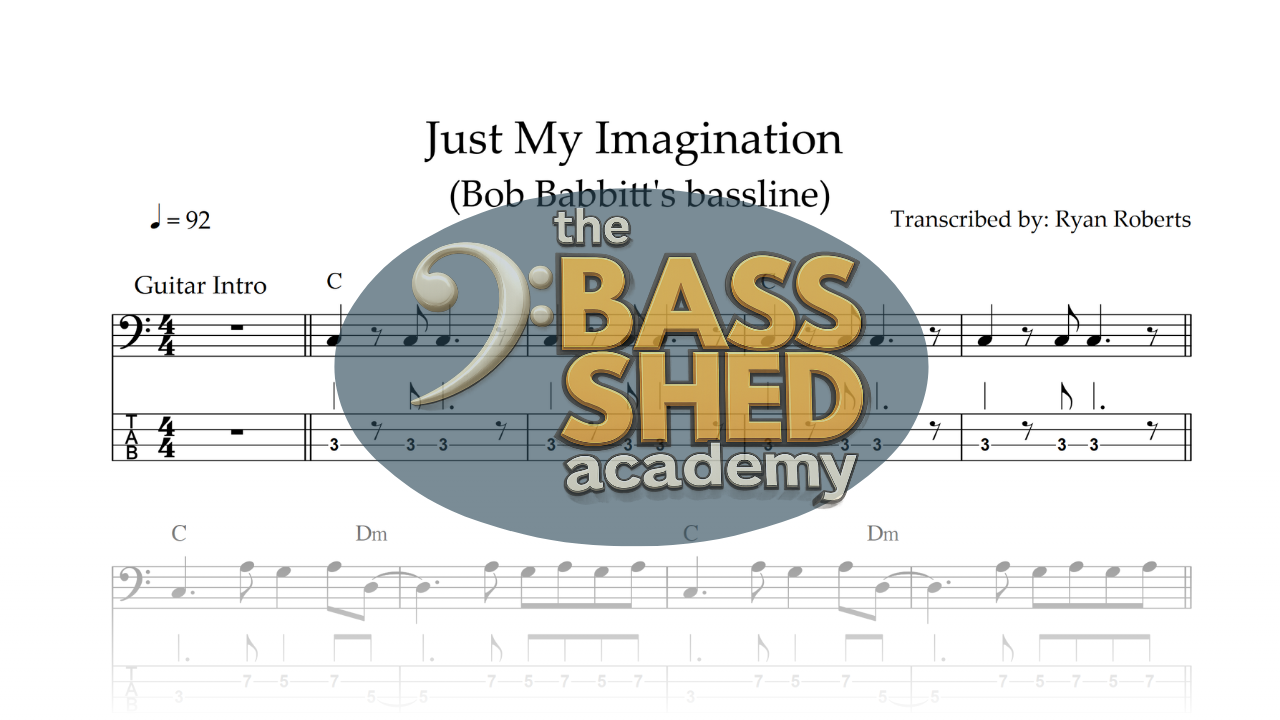
Just My Imagination (Running Away With Me)
Bob Babbitt’s bassline on “Just My Imagination” is a masterclass in melodic restraint—warm, lyrical, and deeply supportive of the song’s emotional atmosphere. His even pocket, gentle articulation, and elegant voice-leading show how subtlety and intention can carry an entire arrangement without ever drawing attention to the bass.
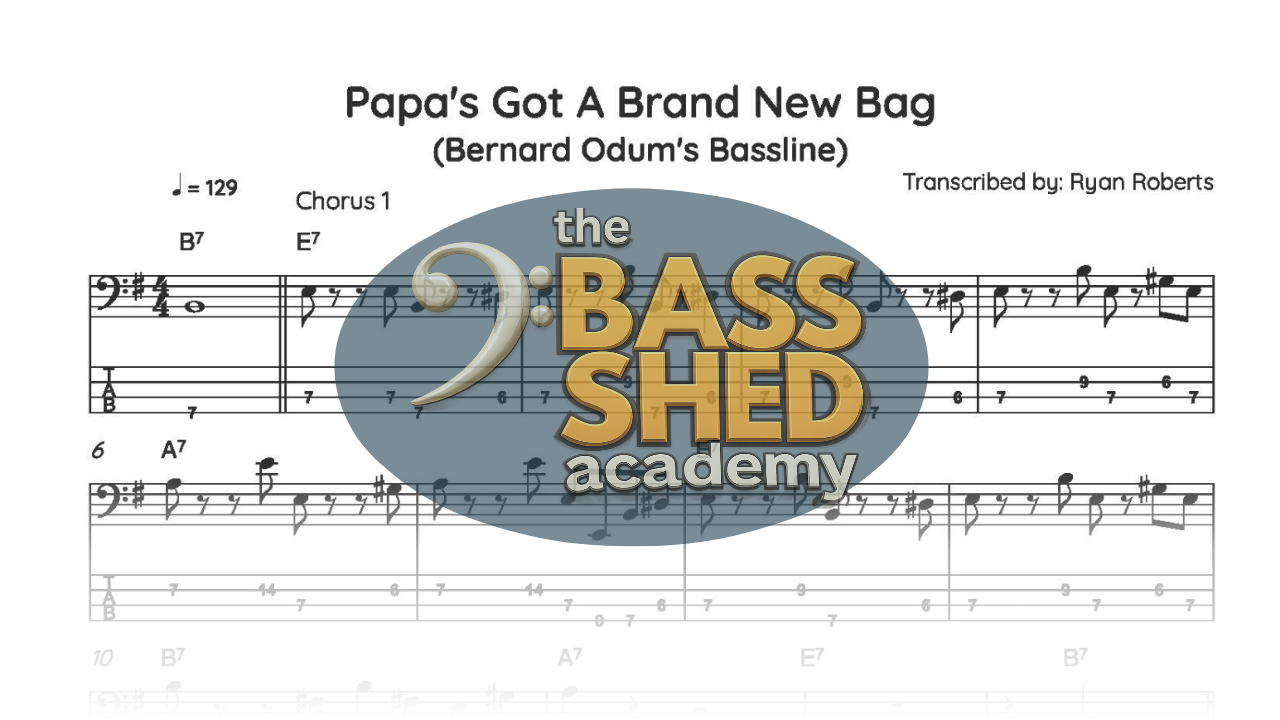
Papa’s Got a Brand New Bag
Bernard Odum’s bassline on “Papa’s Got a Brand New Bag” captures the birth of the funk pocket — short, punchy notes placed just behind the beat to create the rhythmic feel that would define James Brown’s sound. This transcription highlights how discipline, consistency, and micro-timing can transform a simple groove into a genre-shaping statement.
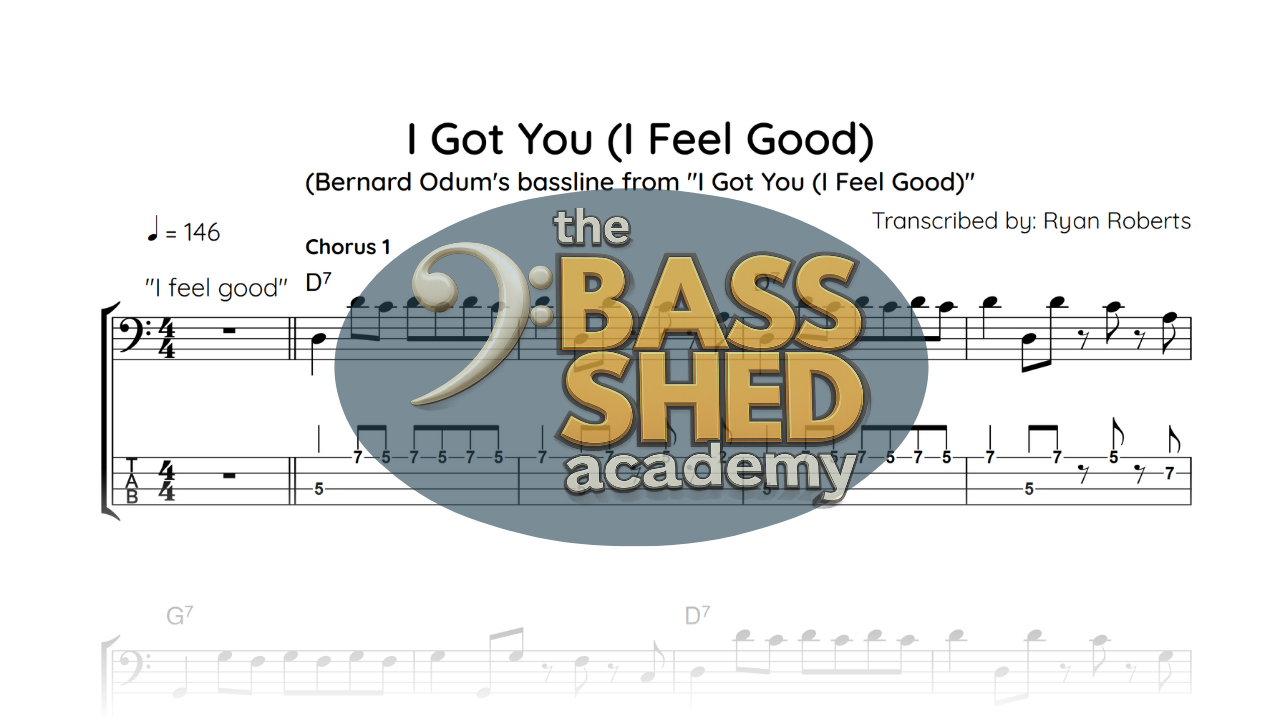
I Got You (I Feel Good)
Bernard Odum — “I Got You (I Feel Good)” (James Brown)
A timeless soul-funk bass line built on precision, repetition, and feel. Bernard Odum locks tightly with the drums, creating the driving pulse that powers one of James Brown’s biggest hits.
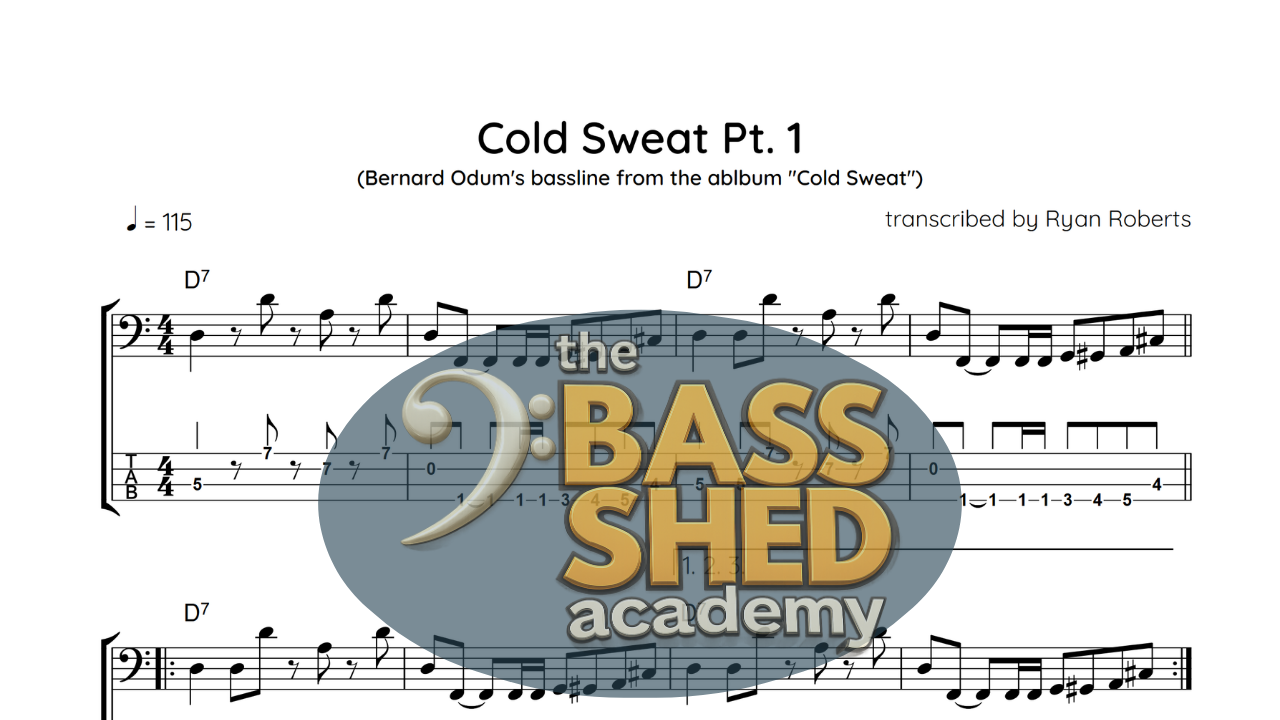
Cold Sweat
Bernard Odum’s bassline on James Brown’s “Cold Sweat” is a masterclass in funk minimalism — a two-bar pattern powered by precision, micro-timing, and absolute commitment to the pocket. This line shows how economy and placement can create one of the most influential grooves in modern music.
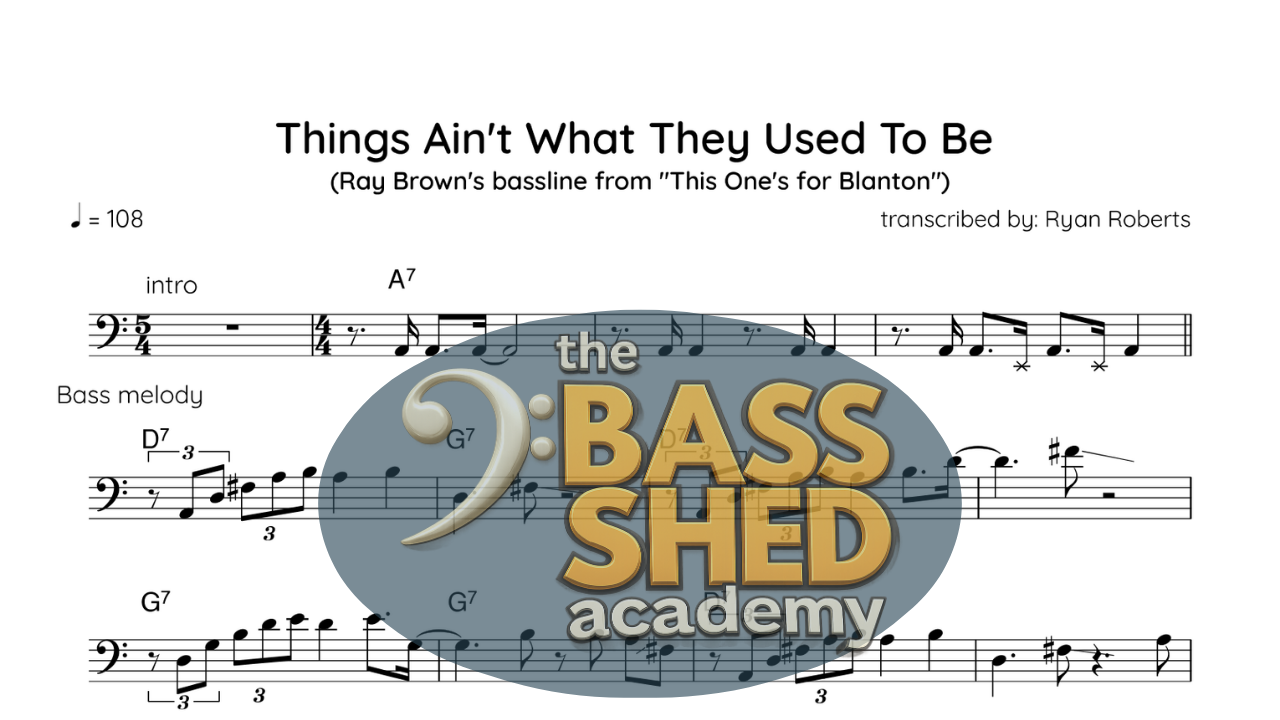
Things Ain’t What They Used to Be
Ray Brown’s “Things Ain’t What They Used to Be” bass transcription with isolated bass and minus-one play-along tracks. Study the feel, shed the lines, and step into the bass chair.
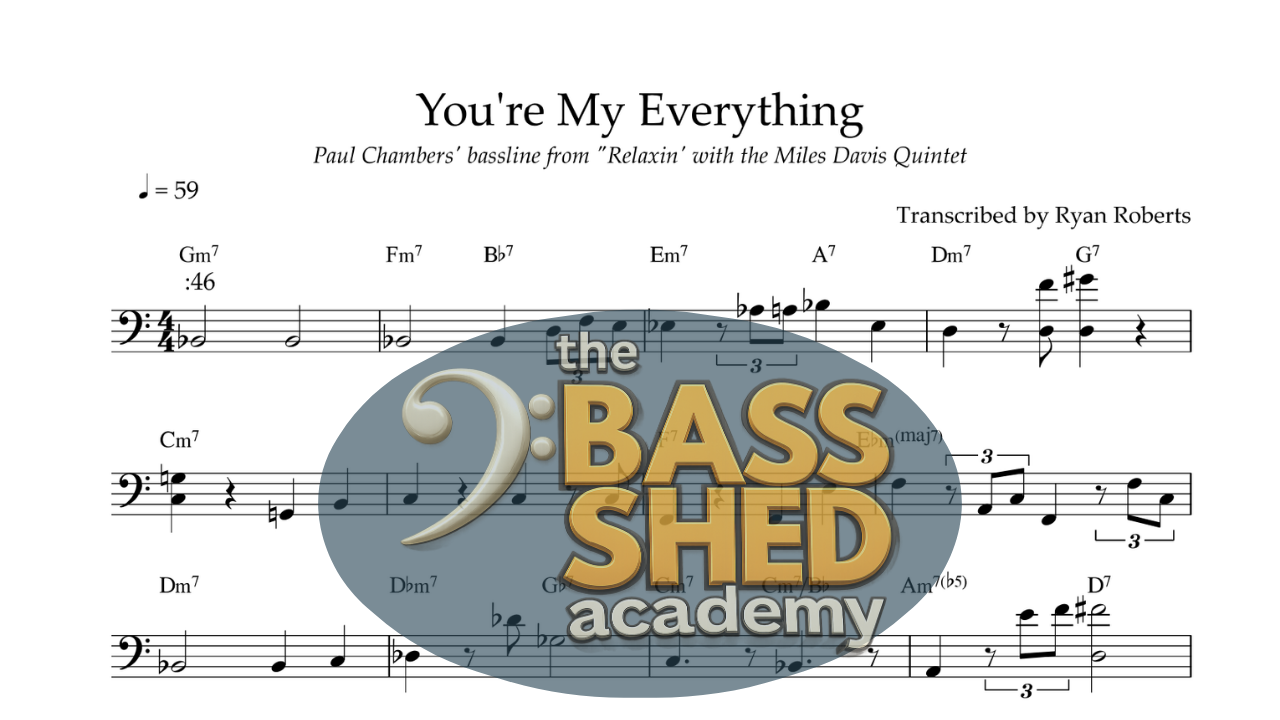
You’re My Everything
Paul Chambers — “You’re My Everything”
A masterclass in relaxed swing and harmonic clarity. Chambers’ walking line flows effortlessly through the changes, with deep pocket, smooth voice-leading, and subtle variations that lift the entire band.