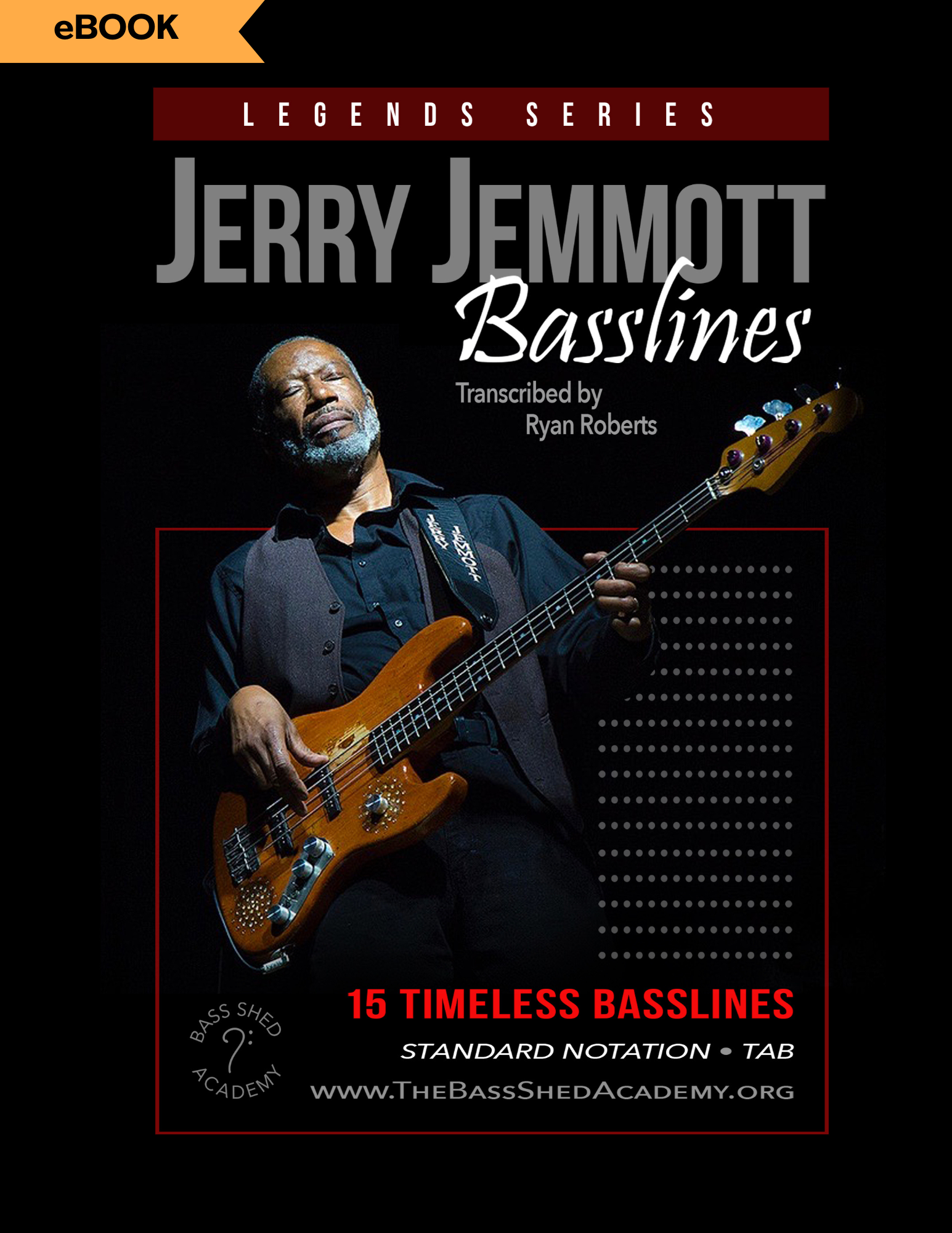
Jerry Jemmott is a legendary bassist known for his deep groove, innovative phrasing, and influential work in R&B, jazz, and blues. Born on March 22, 1946, in the Bronx, New York, Jemmott became one of the most in-demand session bassists of the late 1960s and early 1970s, contributing to recordings that helped define the sound of American popular music.
Jemmott’s playing can be heard on numerous iconic recordings, particularly in collaboration with Atlantic Records artists. He worked closely with producers like Jerry Wexler and played bass for legendary musicians such as:
Aretha Franklin – Think, Chain of Fools
King Curtis – Memphis Soul Stew, Live at Fillmore West
B.B. King – The Thrill Is Gone
The Rascals – People Got to Be Free
Wilson Pickett – Hey Jude
Jemmott's approach to the bass was heavily influenced by jazz, particularly the walking bass lines of Paul Chambers and the rhythmic innovations of James Jamerson. His ability to blend syncopation, blues phrasing, and melodic movement made his playing both distinctive and widely influential.
Jerry Jemmott is a legendary bassist known for his deep groove, innovative phrasing, and influential work in R&B, jazz, and blues. Born on March 22, 1946, in the Bronx, New York, Jemmott became one of the most in-demand session bassists of the late 1960s and early 1970s, contributing to recordings that helped define the sound of American popular music.
Jemmott’s playing can be heard on numerous iconic recordings, particularly in collaboration with Atlantic Records artists. He worked closely with producers like Jerry Wexler and played bass for legendary musicians such as:
Aretha Franklin – Think, Chain of Fools
King Curtis – Memphis Soul Stew, Live at Fillmore West
B.B. King – The Thrill Is Gone
The Rascals – People Got to Be Free
Wilson Pickett – Hey Jude
Jemmott's approach to the bass was heavily influenced by jazz, particularly the walking bass lines of Paul Chambers and the rhythmic innovations of James Jamerson. His ability to blend syncopation, blues phrasing, and melodic movement made his playing both distinctive and widely influential.

 Image 1 of 1